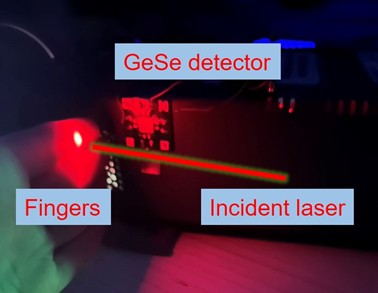
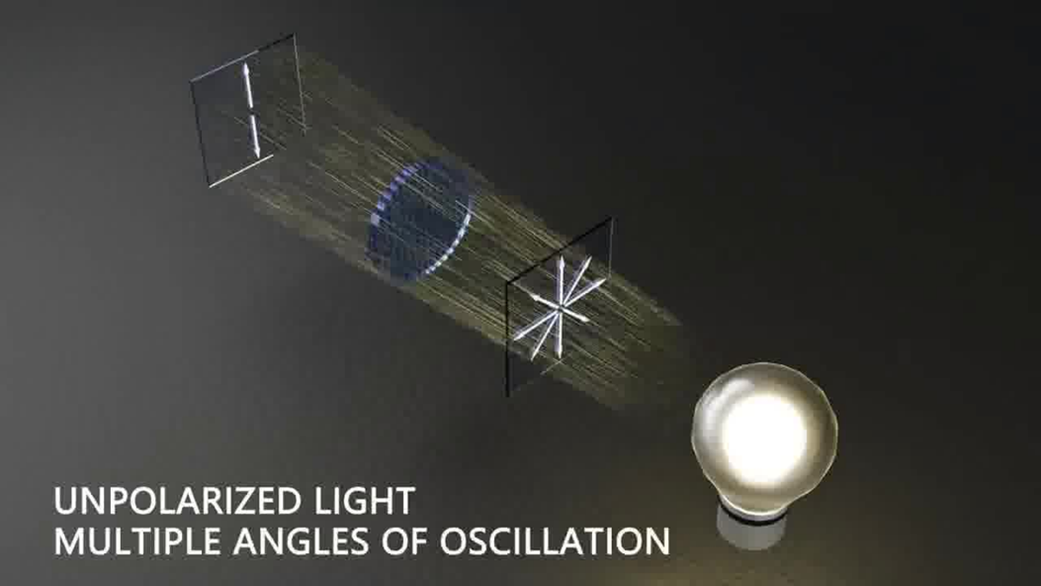
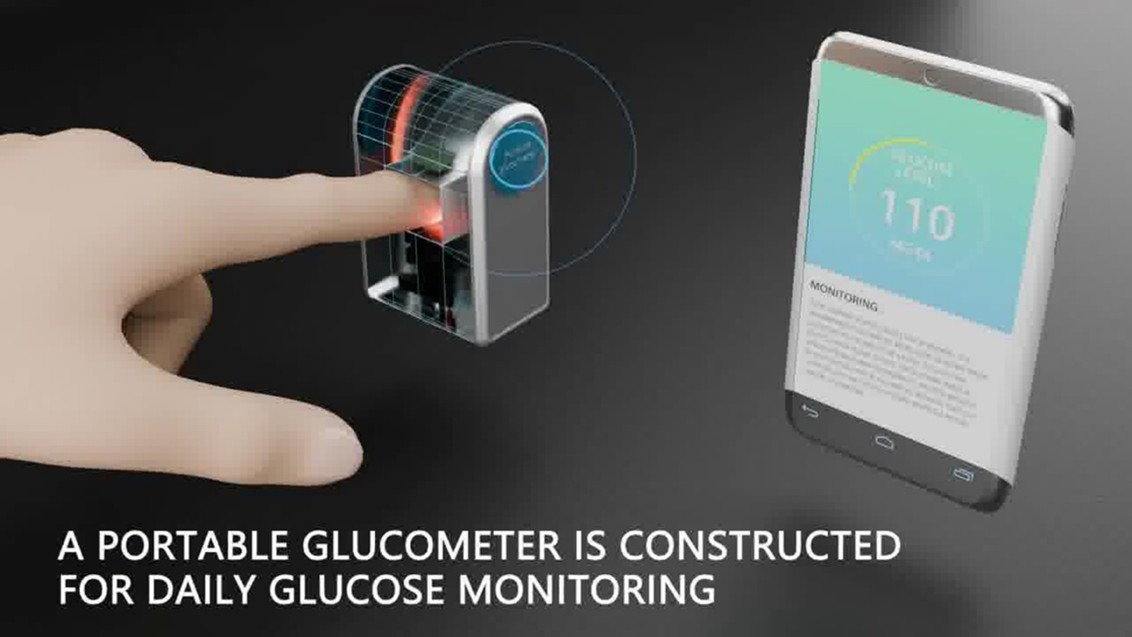
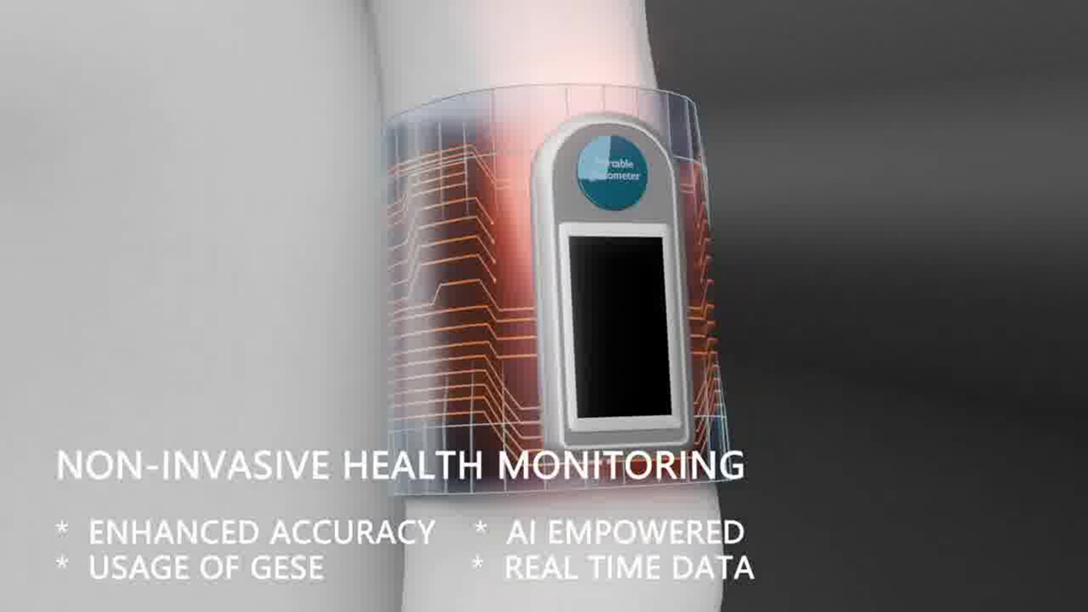
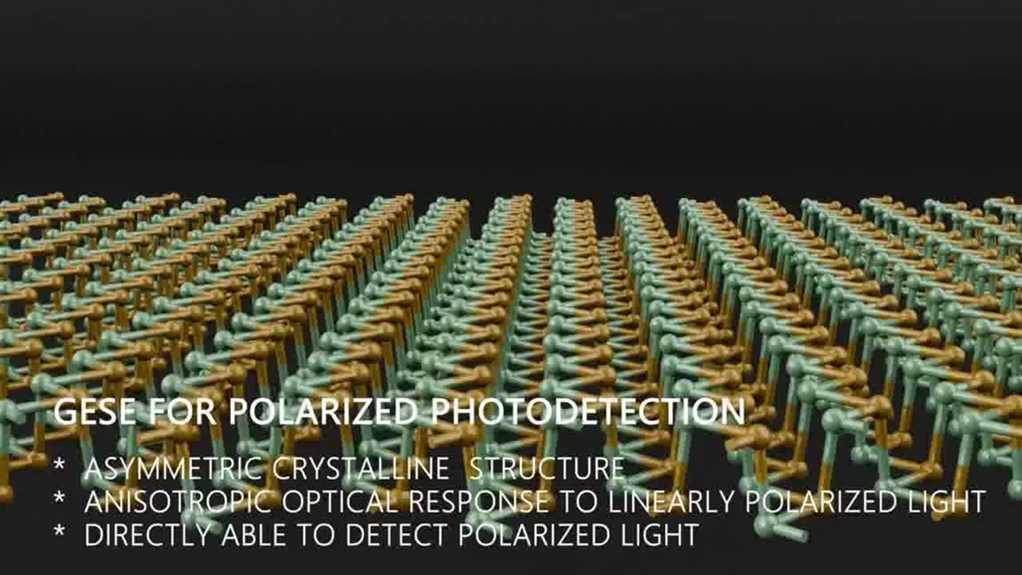
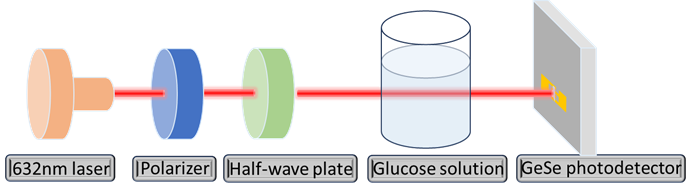
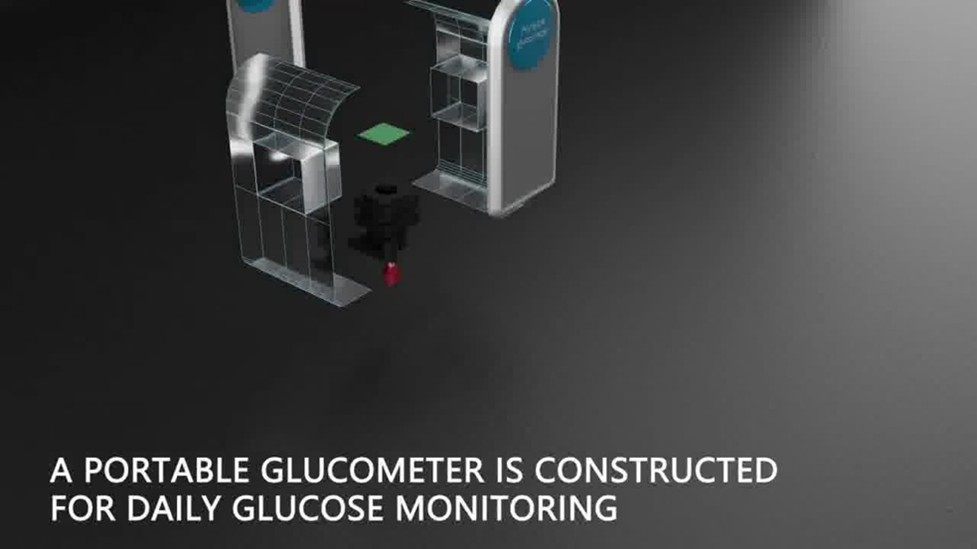
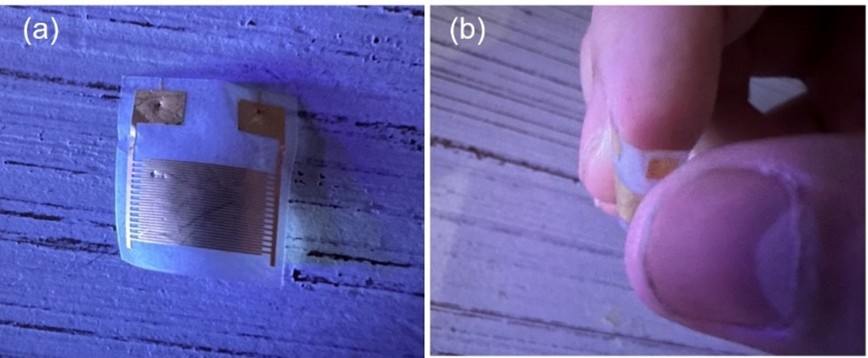
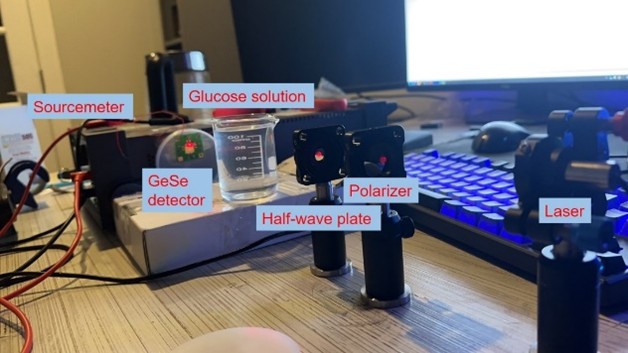
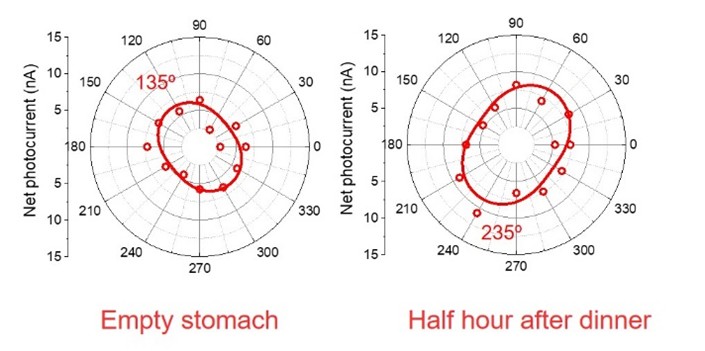
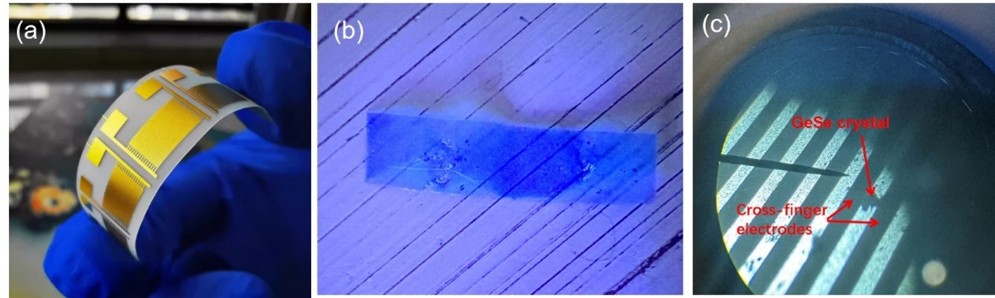
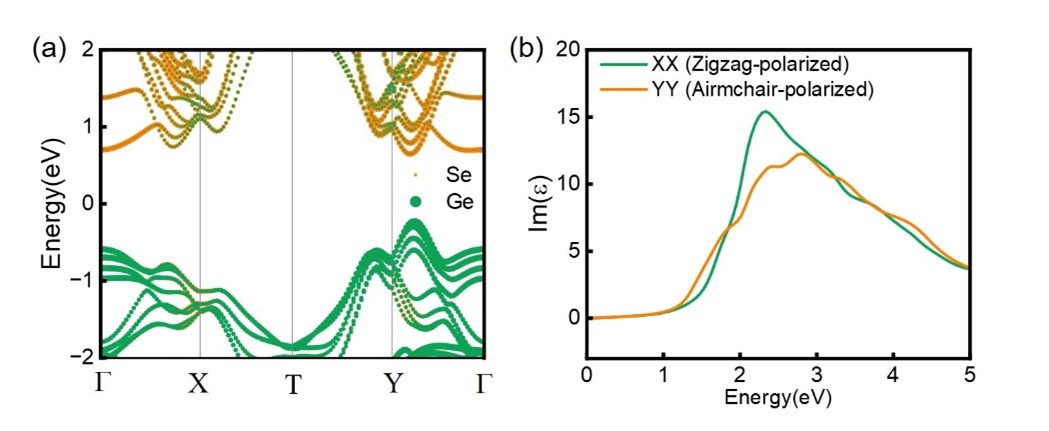
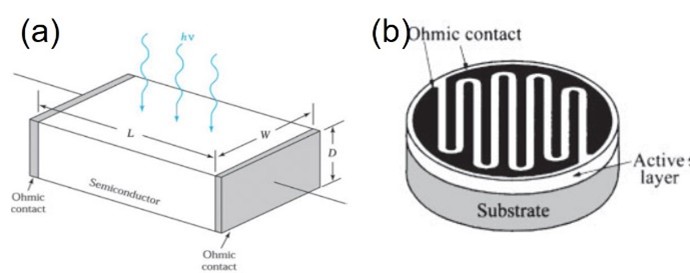
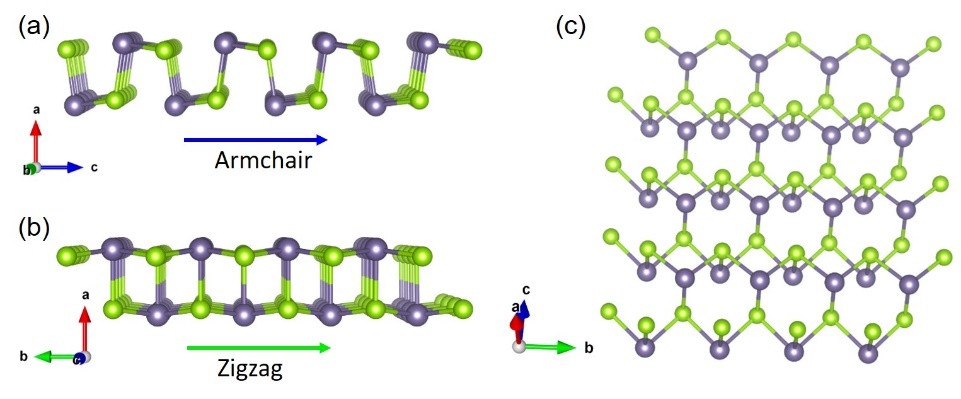
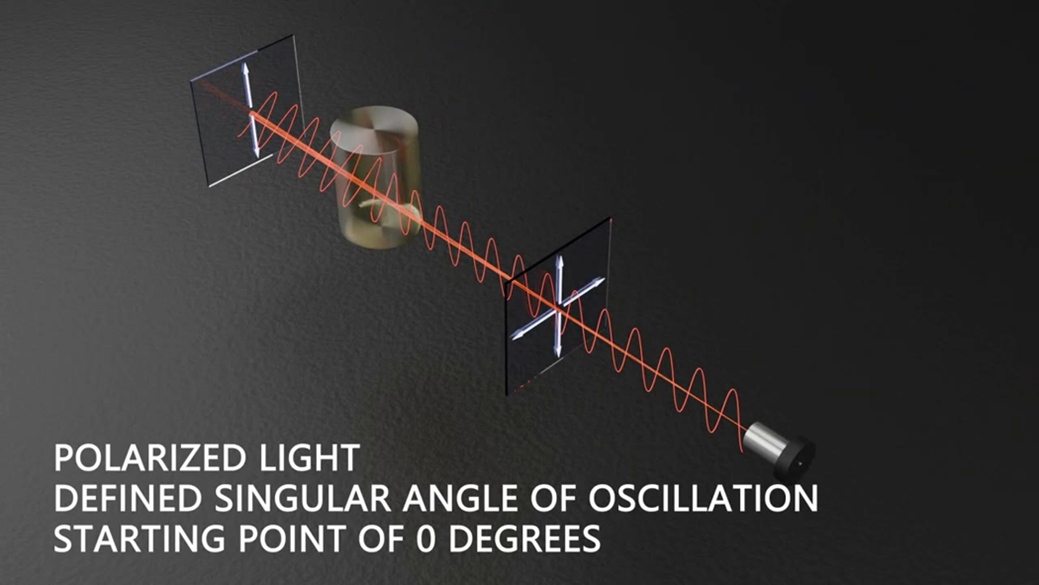
The sensing element is a flexible GeSe photodetector on a PET substrate. GeSe is a two-dimensional semiconductor whose photocurrent depends on the polarization of incident light. Glucose in solution rotates the polarization of light passing through it, and the detector converts that rotation into an electrical signal without external polarizers. Machine-learning methods are used to calibrate the signal in laboratory measurements.
Publications and code
Kopp, M. B. (2026). Next-generation polarimetric biosensors: machine learning–driven GeSe photodetectors for noninvasive glucose monitoring. Biosensors and Bioelectronics: X, 28, 100725. https://doi.org/10.1016/j.biosx.2025.100725 (sole author, open access).
Kopp, M. B. (2024). Flexible nanomaterial sensors for non-invasive health monitoring. Applied and Computational Engineering, 72(1), 45–58. https://doi.org/10.54254/2755-2721/72/20240981
Code and notes: github.com/maximilian-kopp/gese-glucose-biosensor. Researcher profiles: Google Scholar · GitHub.
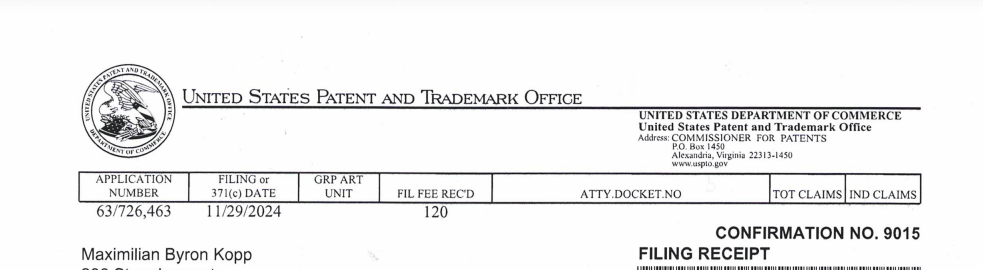
Related U.S. patent applications (applications, not granted patents): No. 19/203,391 (utility nonprovisional, filed May 9, 2025) and No. 63/726,463 (provisional, filed November 29, 2024).