Max Kopp Tech

Non-Invasive Glucose Monitoring

Contact Max Kopp

Non-Invasive Glucose Monitoring

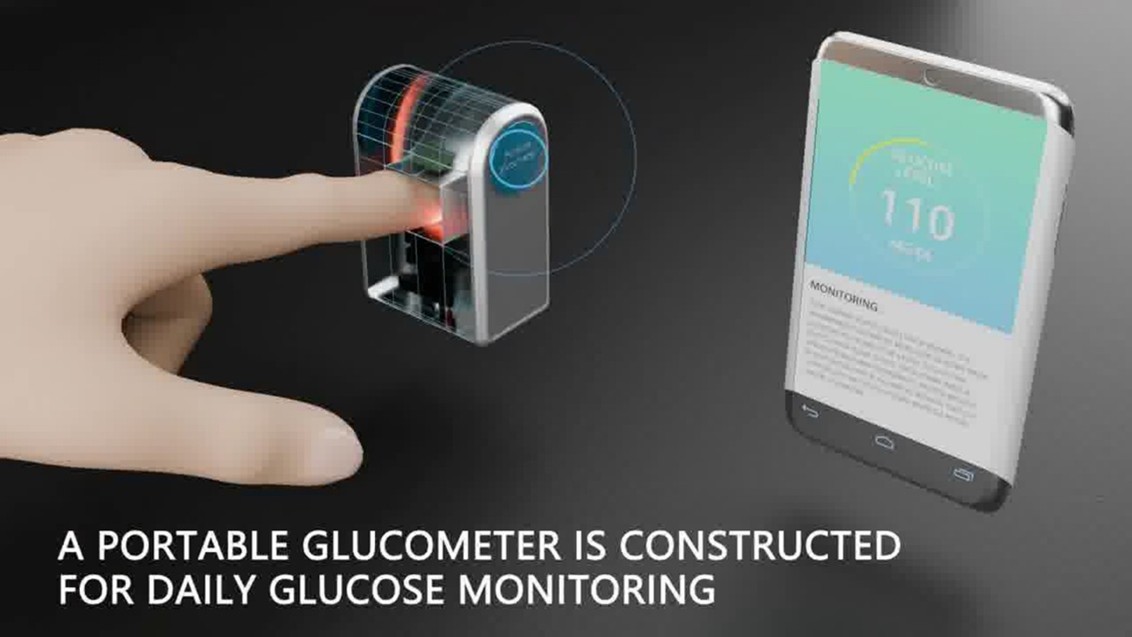
Max Kopp’s journey into biomedical innovation began with a question: Can we monitor blood glucose without pain? Driven by the challenges faced by people with diabetes—including members of his own family—Max developed a wearable biosensor that completely removes the need for finger-pricks or invasive CGM devices.

The Technology

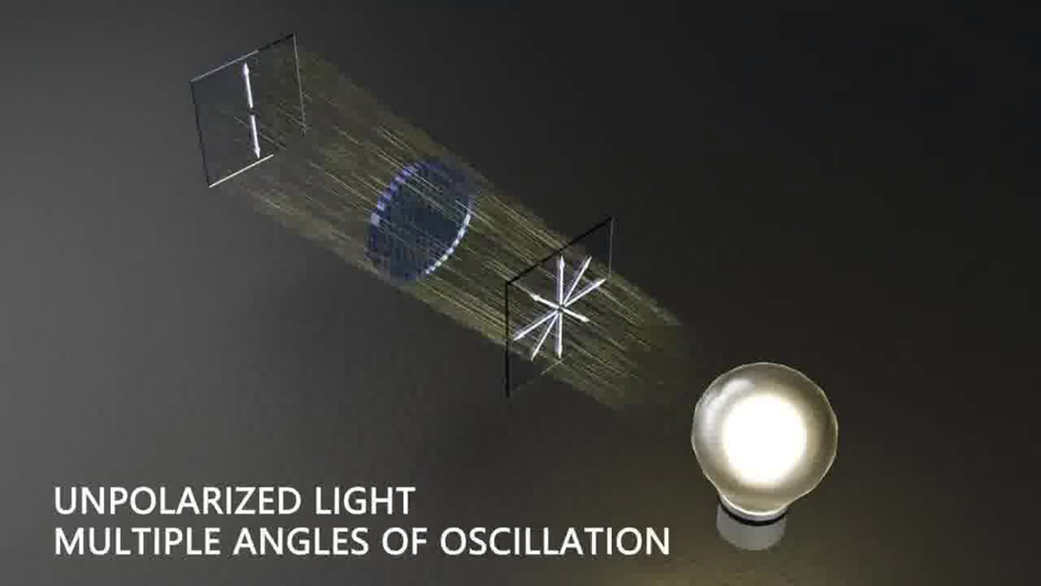
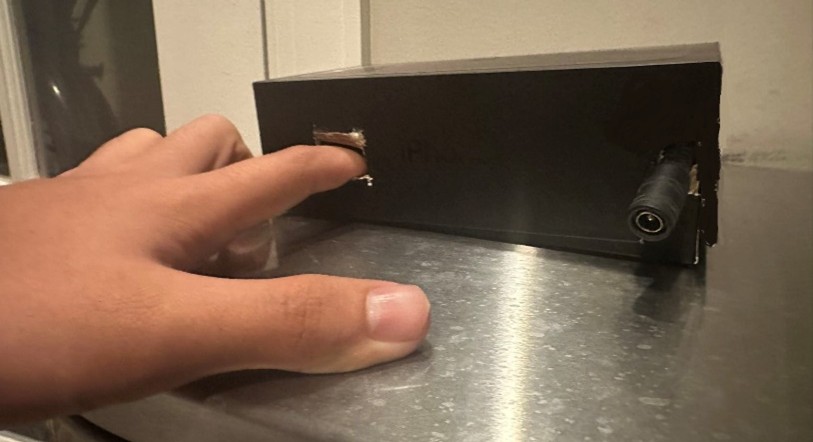
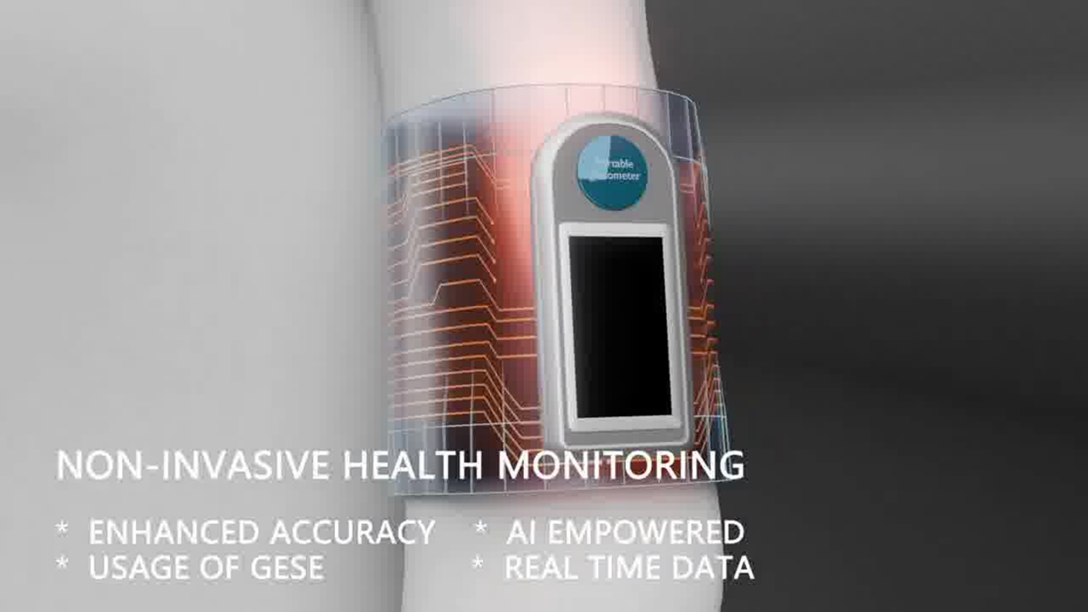
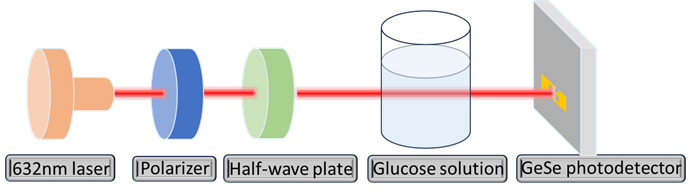
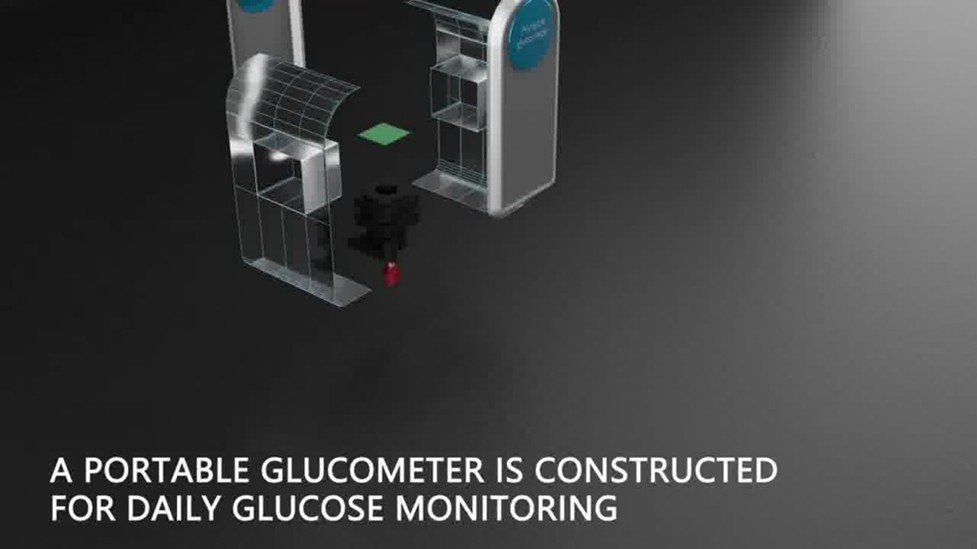
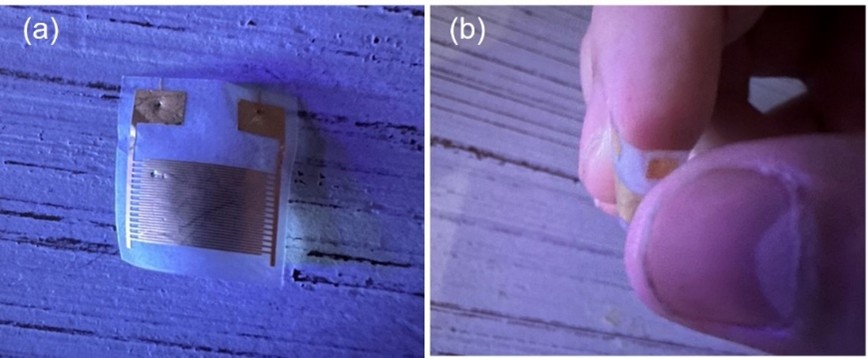
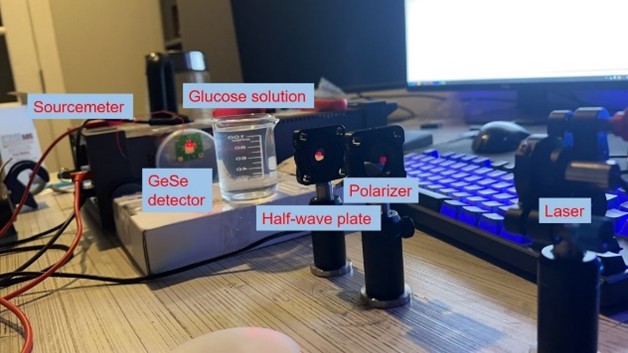
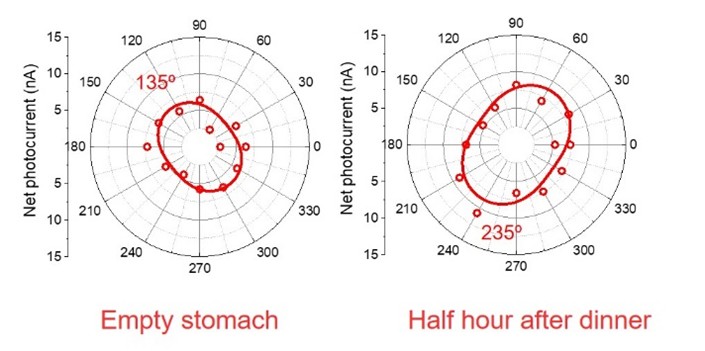
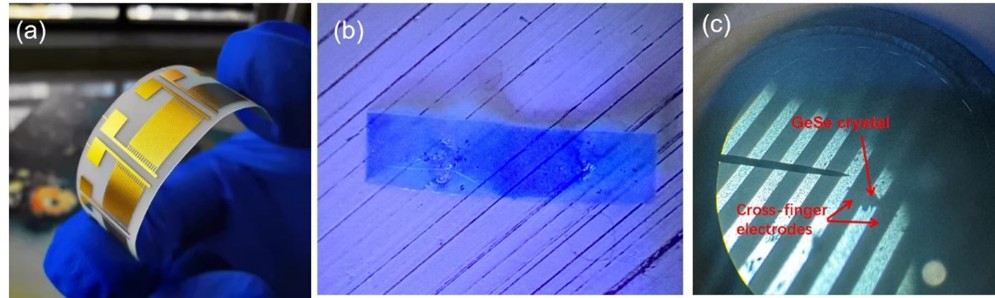
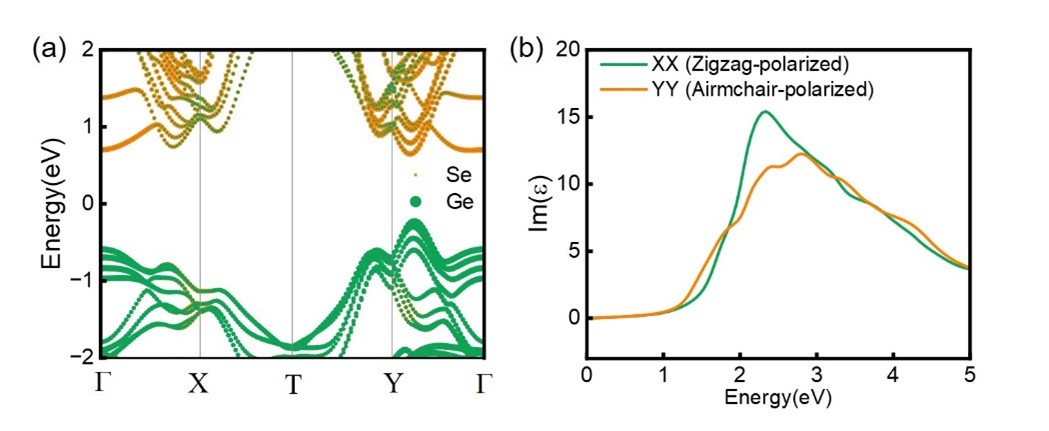
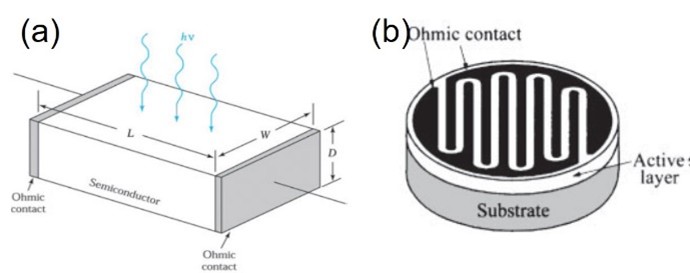
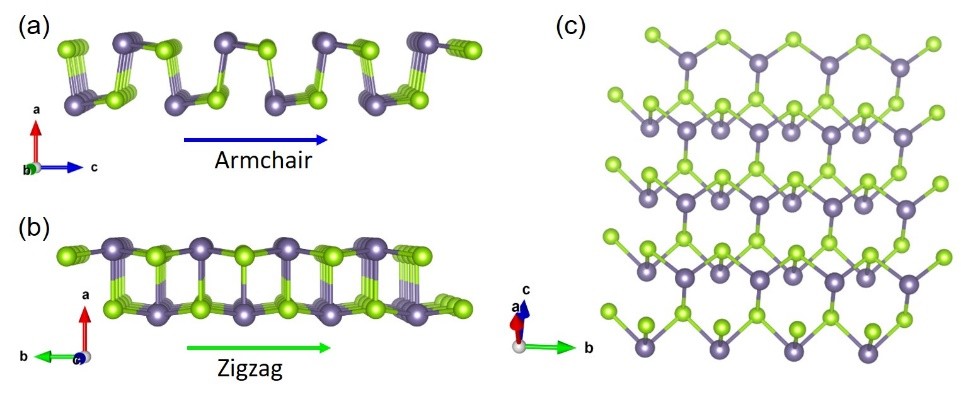
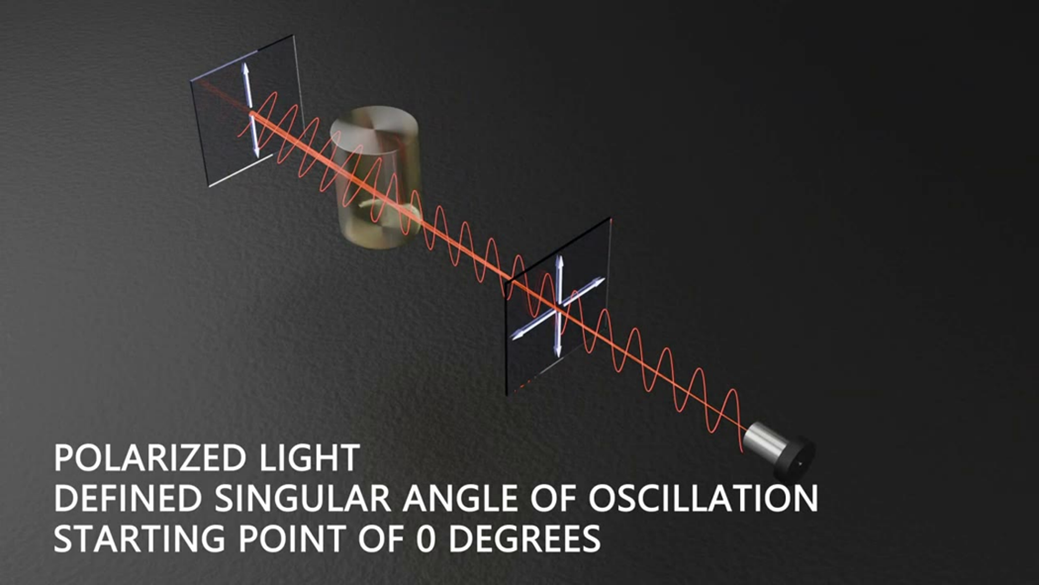
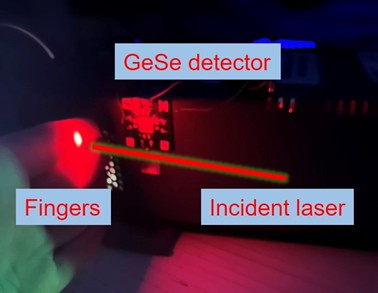
The biosensor is built using GeSe nanomaterials—two-dimensional semiconductors sensitive to polarized light. When worn against the skin, the sensor interacts with interstitial fluid and produces a light signal that correlates to glucose concentration. What makes Max’s innovation especially powerful is the integration of AI-based algorithms, which compensate for variables such as skin tone, light conditions, and user physiology. The result: real-time, accurate, and adaptive glucose readings—without a drop of blood.

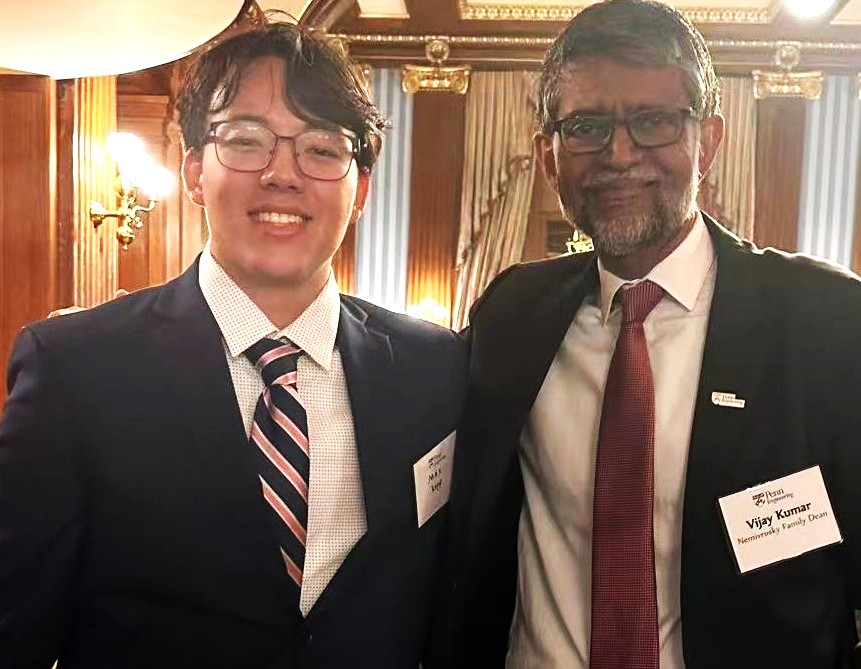
Dean Kumar Praises Max’s Breakthrough in Wearable Health Tech

Vijay Kumar, the Kennedy Family Dean of Engineering at the University of Pennsylvania, beamed with pride as he commended Max’s groundbreaking work. He praised Max’s inventive use of nanomaterials and polarized light in non-invasive glucose monitoring, noting that such ingenuity exemplifies the spirit of Penn Engineering’s tradition of translating deep scientific insight into real-world impact. Dean Kumar encouraged Max to continue pushing the boundaries of wearable health technology, emphasizing that his research not only advances the field but also has the potential to transform lives.

Professor Gardner Applauds Max’s Innovation in Flexible Health Diagnostics

Jacob Gardner, Assistant Professor in the Department of Electrical and Systems Engineering at the University of Pennsylvania, praised Max’s inventive fusion of flexible electronics and nanomaterial sensors. He commended the mechanical resilience of Max’s wearable glucose monitor and highlighted its potential to redefine at-home health diagnostics. Professor Gardner encouraged Max to continue exploring new substrate materials and microfabrication techniques.

Why It Matters

Traditional glucose monitoring methods are costly, painful, and often inaccessible to underserved populations. Max’s wearable device is not only needle-free but also reusable, lightweight, and designed for long-term comfort. By reducing both physical and financial barriers, this technology has the potential to transform daily life for people managing diabetes around the world.

Affordable and accessible

Eliminates the high costs associated with traditional glucose monitors, making it viable for underserved and low-income populations.

Comfort-focused design

Needle-free, lightweight, and reusable, ensuring minimal discomfort and suitability for continuous, long-term wear.

Barrier-breaking impact

Reduces both physical (pain) and financial hurdles, empowering people with diabetes worldwide to manage their condition more easily and effectively

From Lab to Market

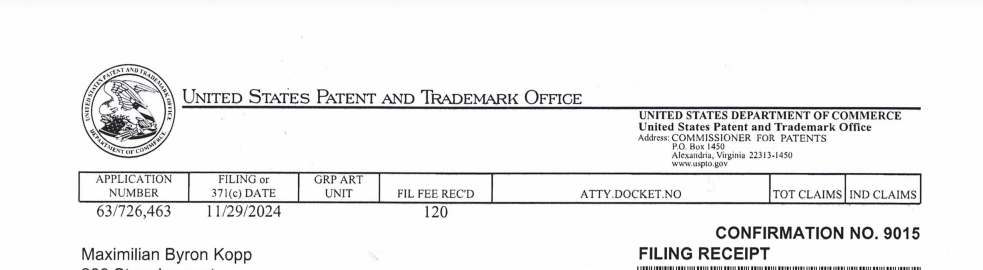
Max is currently bringing this innovation to the real world through his startup, Vitasense. The company is working toward clinical trials and eventual FDA clearance, with a goal of launching an affordable, accessible glucose monitoring product.
Scroll to Top