I build flexible nanomaterial sensors — from published lab research to working prototypes. Rice University ’30. Three papers (two published, one manuscript), three U.S. patent applications, a third-generation prototype, MIT Solve 2025 Semi-finalist, Philly Inno 25 Under 25. Founder of VitaSensor and the Kopp Foundation for Diabetes (2,000+ members, 12 university chapters). I am looking for an undergraduate research position at Rice.
Google Scholar · GitHub · ORCID · LinkedIn
Selected research
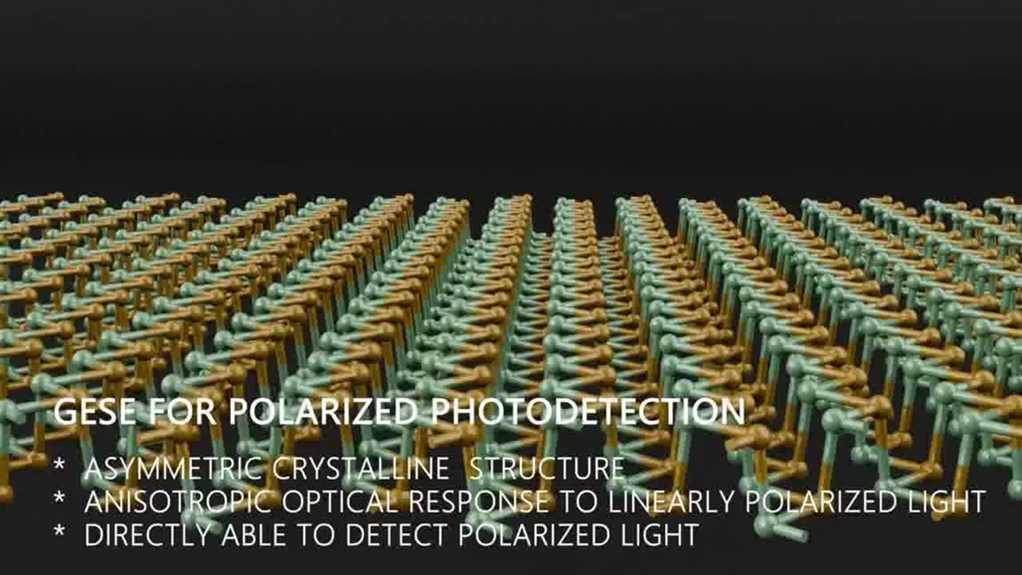
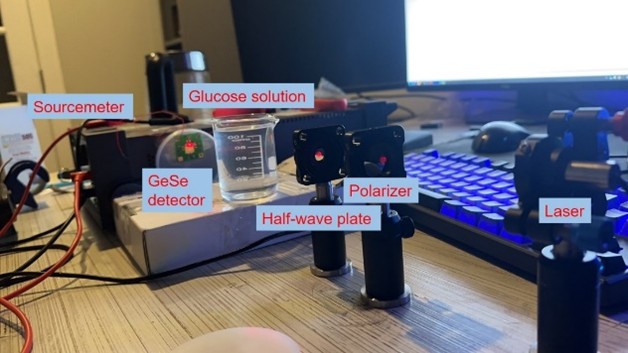
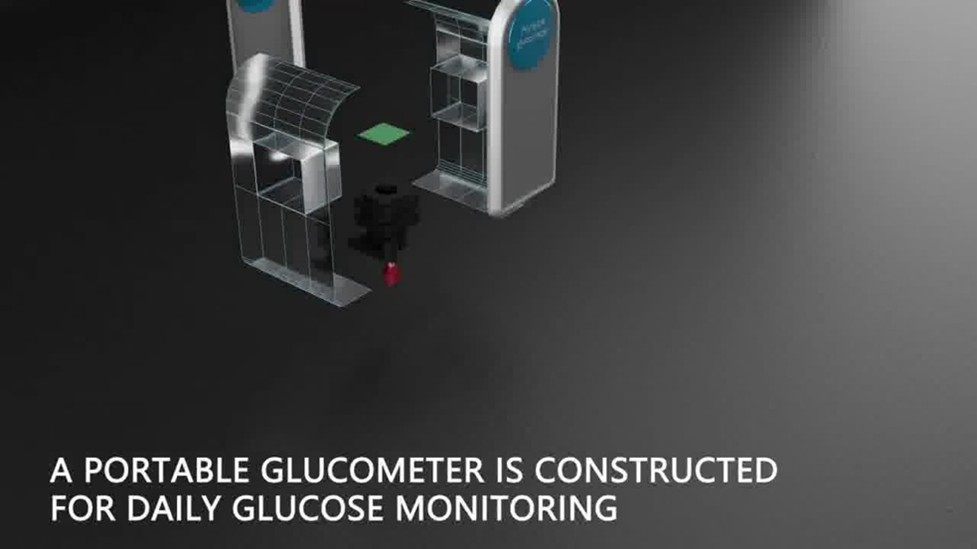
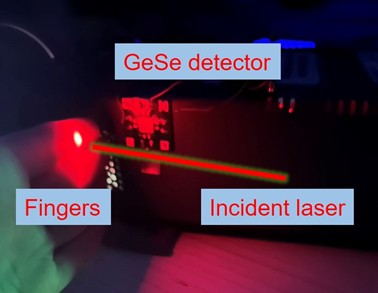
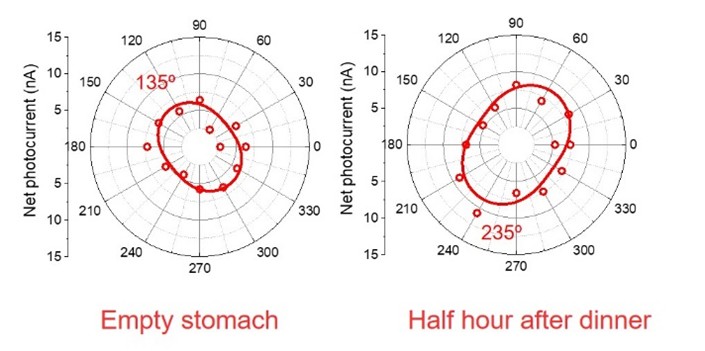
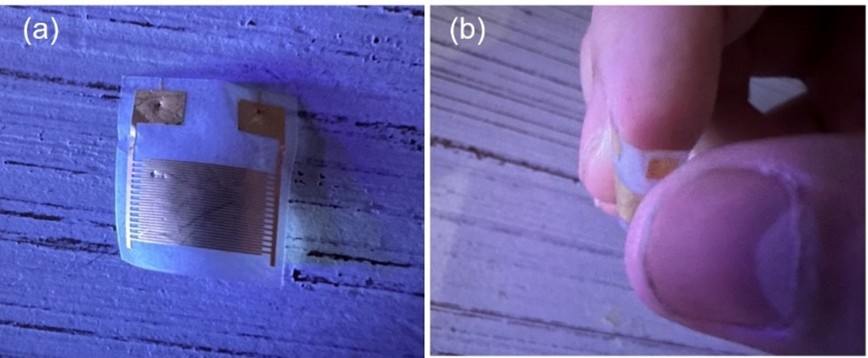
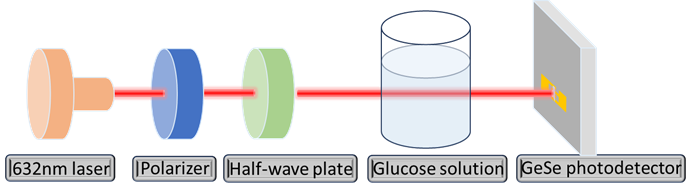
- GeSe optical biosensor for non-invasive glucose sensing. Flexible germanium selenide photodetectors for polarimetric glucose sensing, now in a third-generation prototype. Code and notes
- Inkjet-printed piezoelectric ultrasonic sensors. Structural-health-monitoring experiments with a reported defect-localization error of ~1%, recognized by the U.S. Navy and U.S. Air Force. Repository
- Printable transparent OLEDs for visualized sensing. A printable, flexible OLED with humidity sensing shown visually by the device (manuscript). Repository
Publications
Kopp, M. B. (2026). Next-generation polarimetric biosensors: machine learning–driven GeSe photodetectors for noninvasive glucose monitoring. Biosensors and Bioelectronics: X, 28, 100725. https://doi.org/10.1016/j.biosx.2025.100725
Kopp, M. B. (2024). Flexible nanomaterial sensors for non-invasive health monitoring. Applied and Computational Engineering, 72(1), 45–58. https://doi.org/10.54254/2755-2721/72/20240981
Kopp, M. B. (2026). Printable Organic Light-Emitting Diodes for Transparent Display and Visualized Sensing. Manuscript (not yet published). Data and figures: github.com/maximilian-kopp/printable-oled-humidity-sensor
U.S. patent applications
- Non-Invasive Health Monitoring Device Using Polarized Light and Nanomaterial-Based Optical Sensors. U.S. Utility Nonprovisional Patent Application No. 19/203,391, filed May 9, 2025.
- Non-Invasive Glucose Monitoring System Using Polarized Light and Nanomaterial Sensors. U.S. Provisional Patent Application No. 63/726,463, filed November 29, 2024.
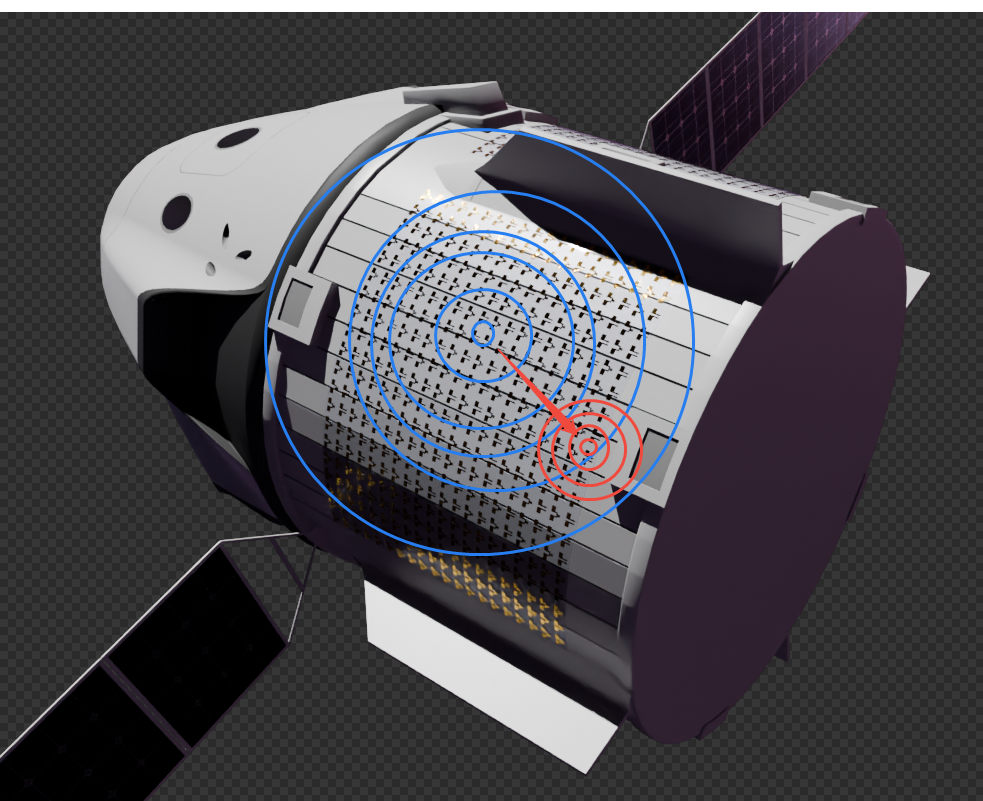
- Real-Time Structural Health Monitoring System for Spacecraft Using Inkjet-Printed Ultrasonic Sensors. U.S. Provisional Patent Application No. 63/775,901, filed March 21, 2025.
Recognition
- MIT Solve, 2025 Global Health Challenge, Semi-finalist (project page)
- 62nd National Junior Science and Humanities Symposium, 3rd Place Poster, Engineering and Technology (May 2024)
- S.-T. Yau High School Science Award (North America), Bronze Medal, Physics (2024)
- W. L. Gore & Associates Material Science Research Award, 1st Place, Delaware Valley Science Fair (April 2, 2025)
- U.S. Air Force special award, Delaware Valley Science Fair (2025)
- 2nd Place, 11th Grade Earth & Space Science, Delaware Valley Science Fair (2025)
- U.S. Navy Environmental Science Award, Montgomery County Science Research Competition (2025)
- Philadelphia Business Journal, Philly Inno 25 Under 25, Class of 2025
- Conrad Challenge Finalist, Health & Nutrition (2025)
Beyond the lab
I founded VitaSensor, a third-generation sensor prototype built on my GeSe photodetector research, and I lead the Kopp Foundation for Diabetes, a youth-led 501(c)(3) with 2,000+ members and 12 university chapters, including UCLA, UC San Diego, the University of Pittsburgh, and UMass Amherst. I play water polo, and the discipline of the sport guides my work in science and leadership.