Max Kopp Tech

Spacecraft Structural Monitoring

Contact Max Kopp

Spacecraft Structural Monitoring

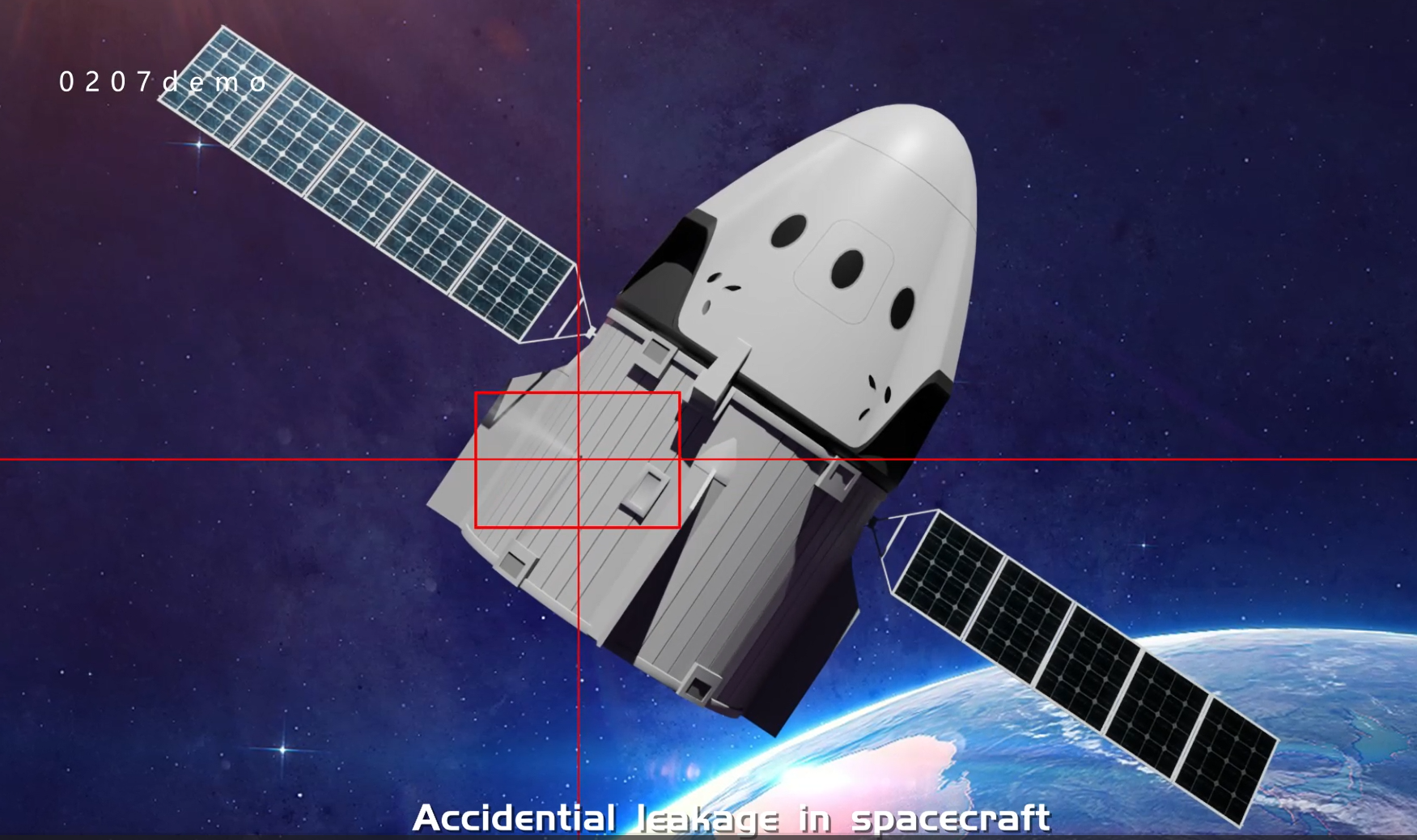
In early 2023, Max Kopp read a headline that changed everything: two astronauts nearly stranded in space due to a coolant leak on their spacecraft. The incident sparked a new question in his mind—what if sensors could detect these failures before it’s too late?

The Innovation

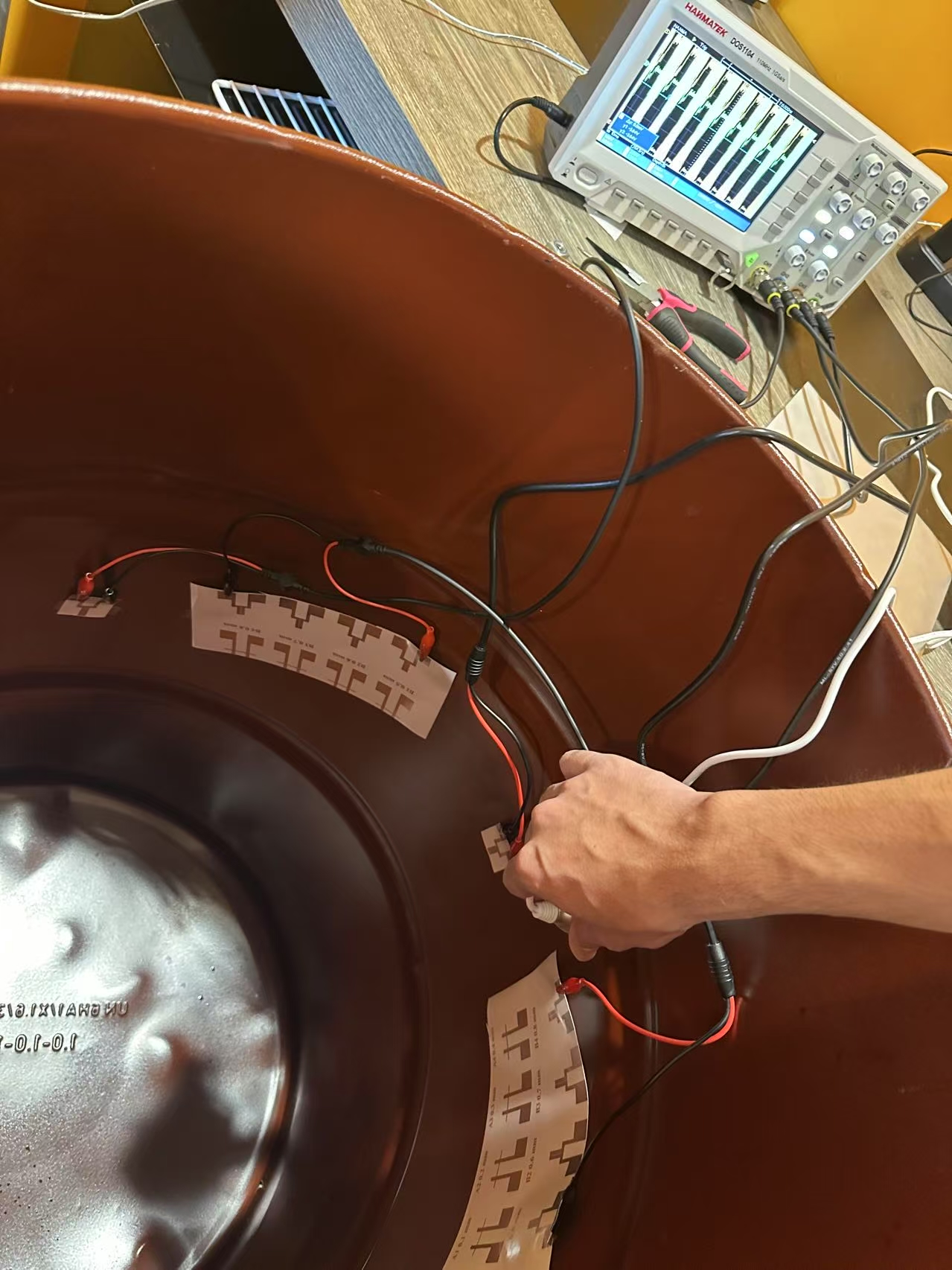
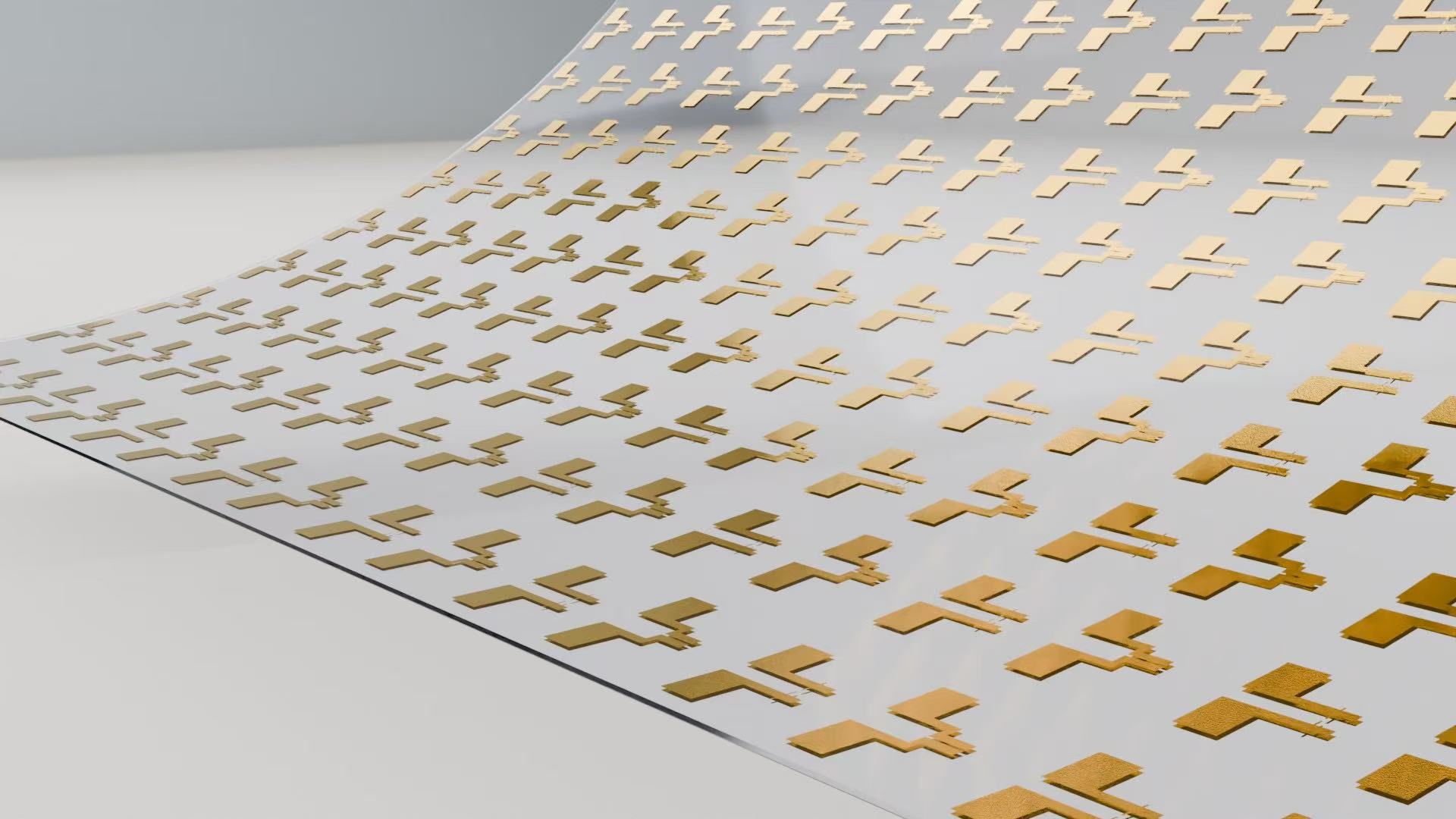
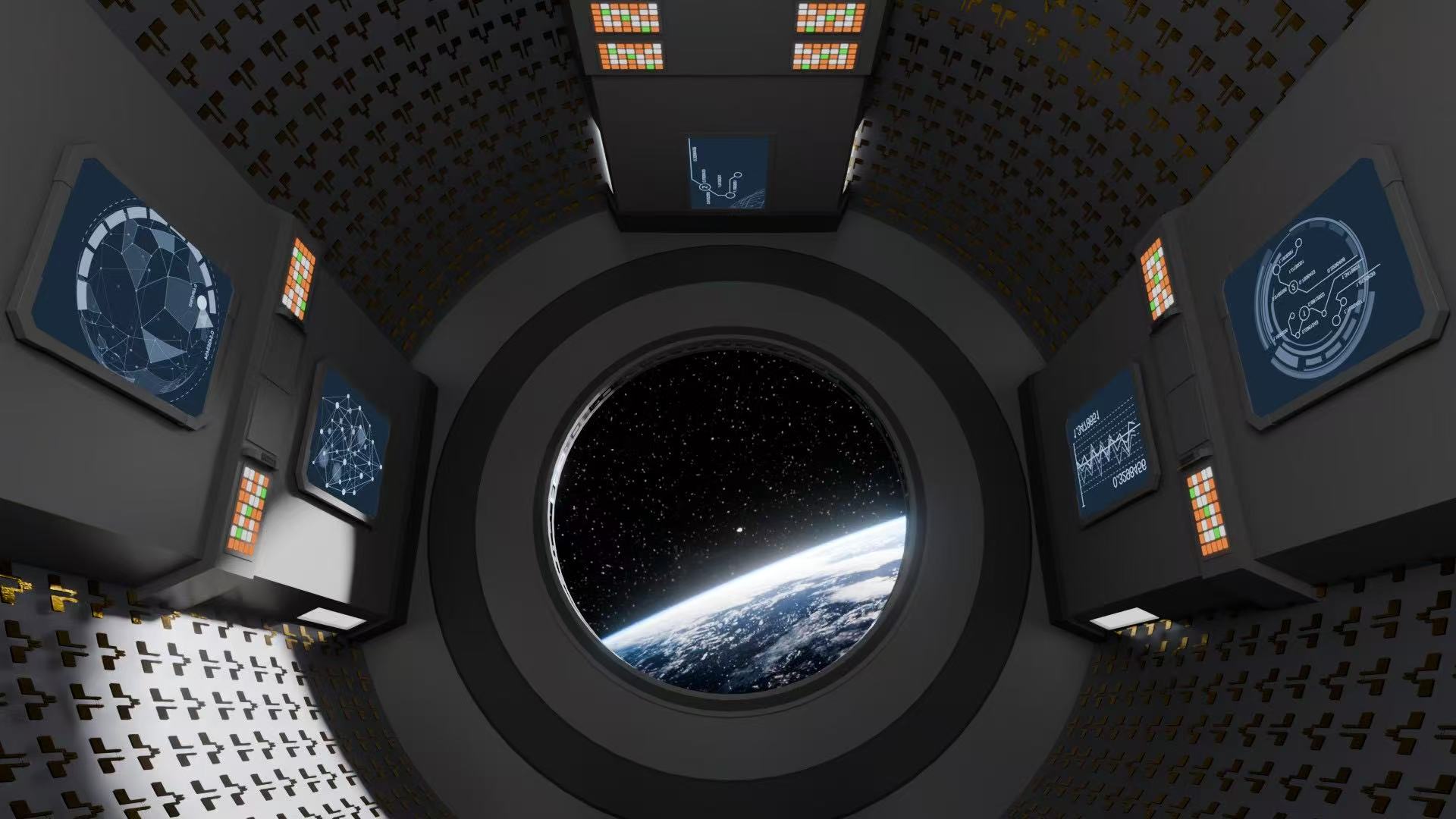
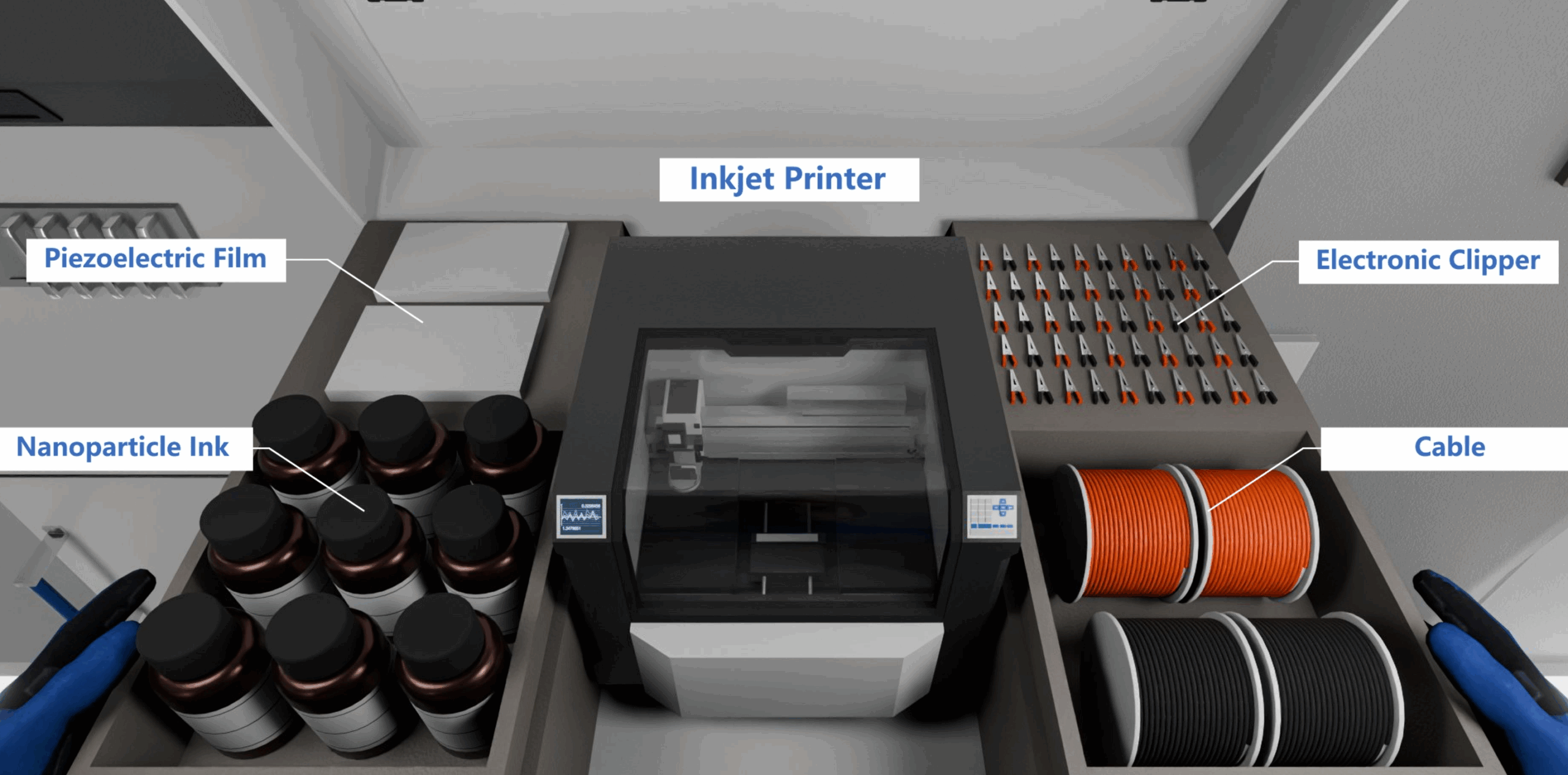
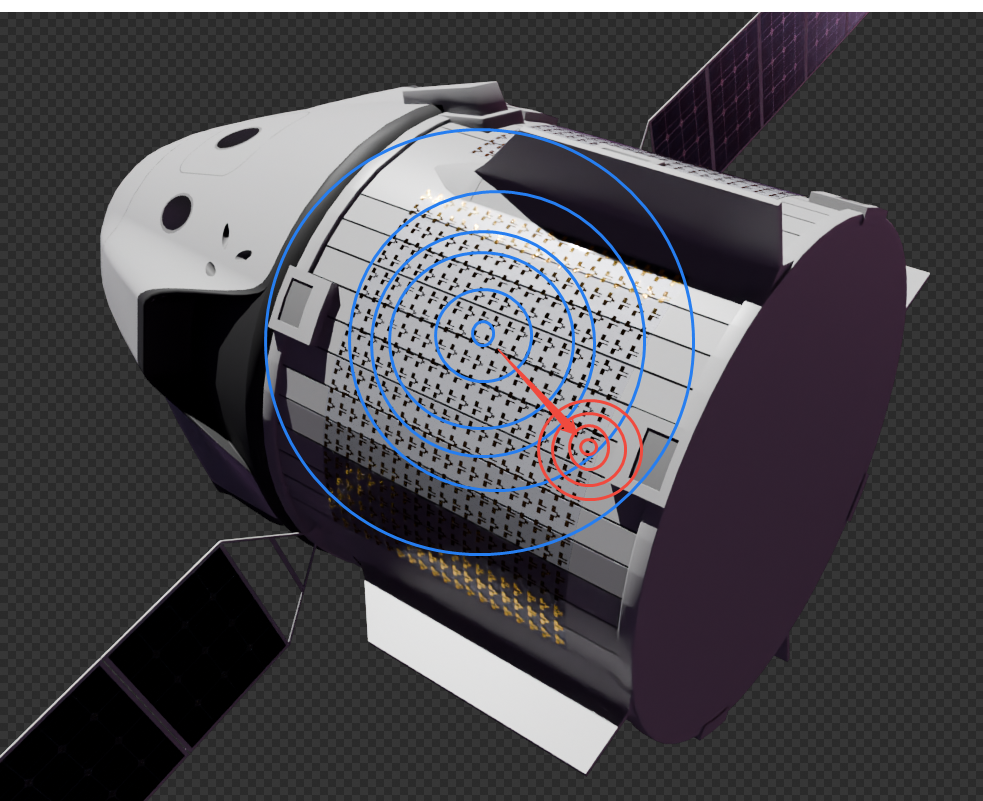
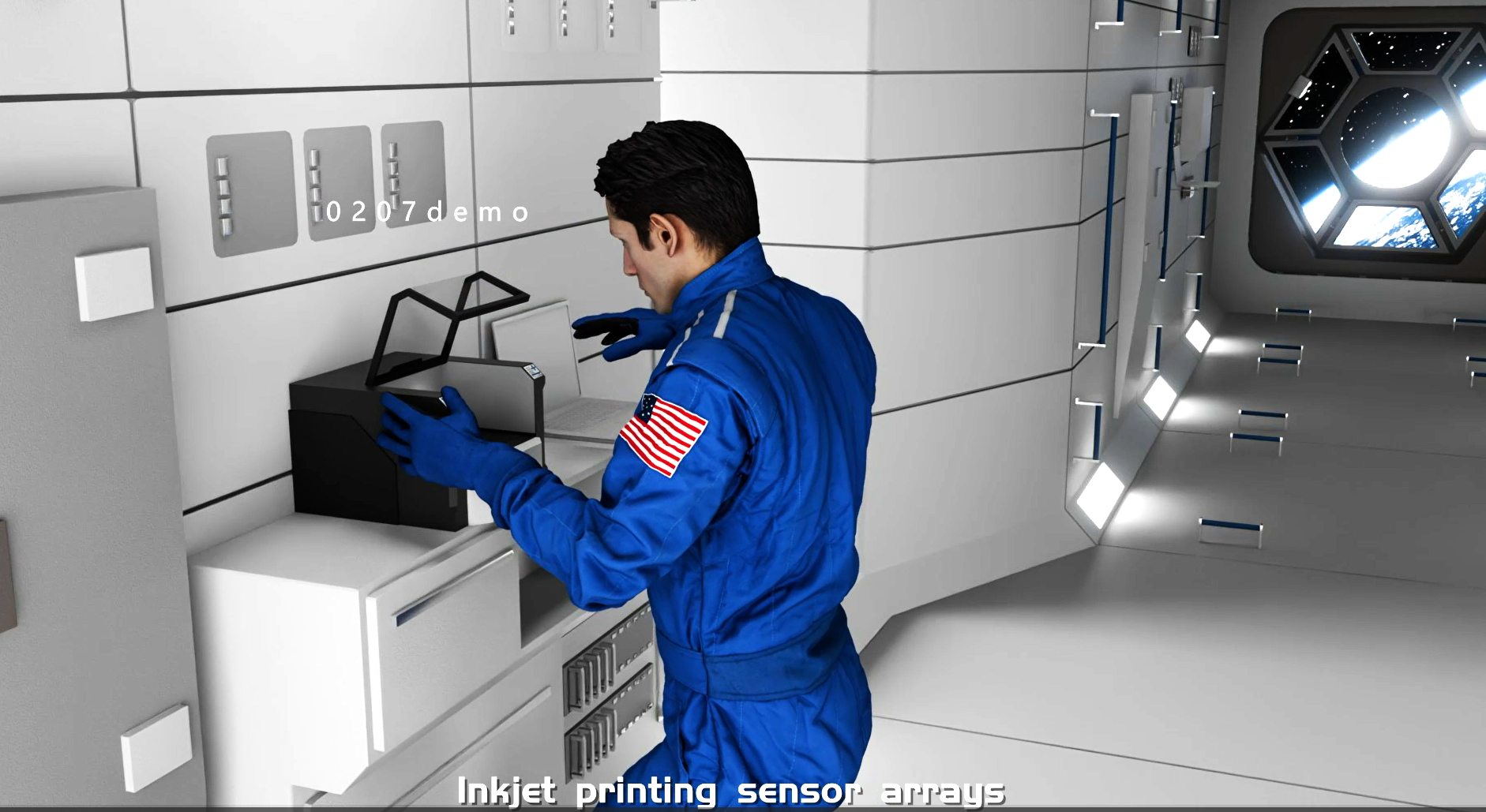
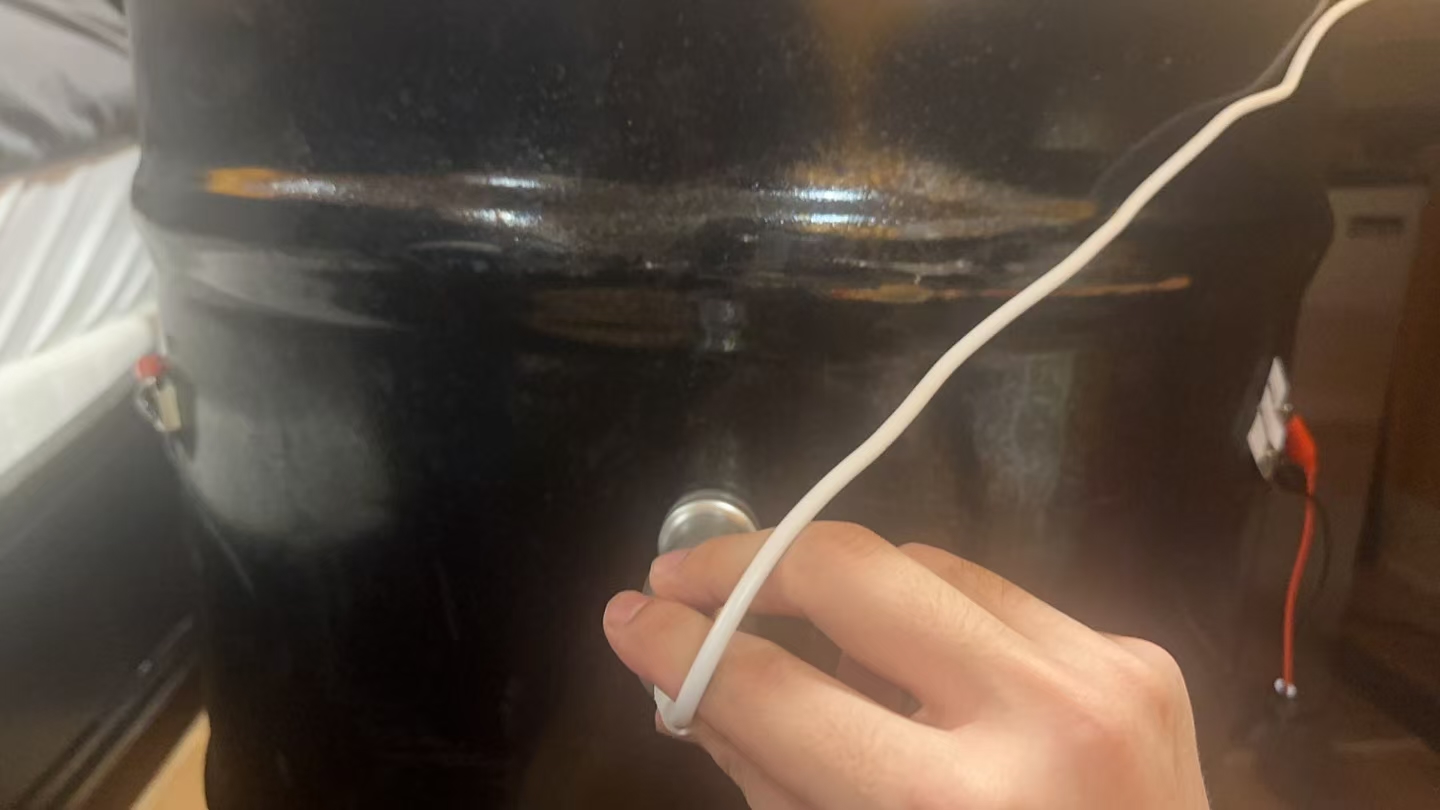
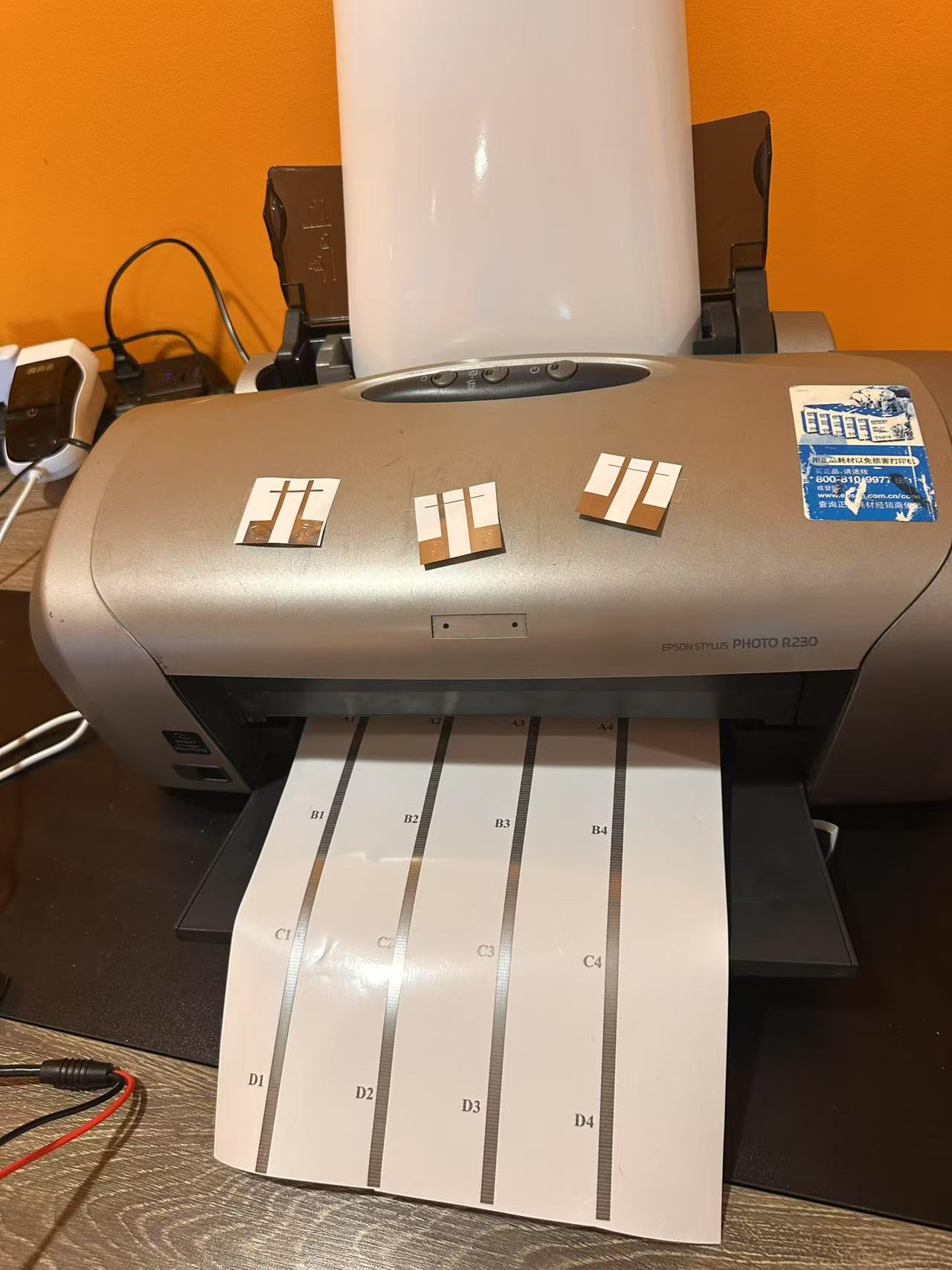
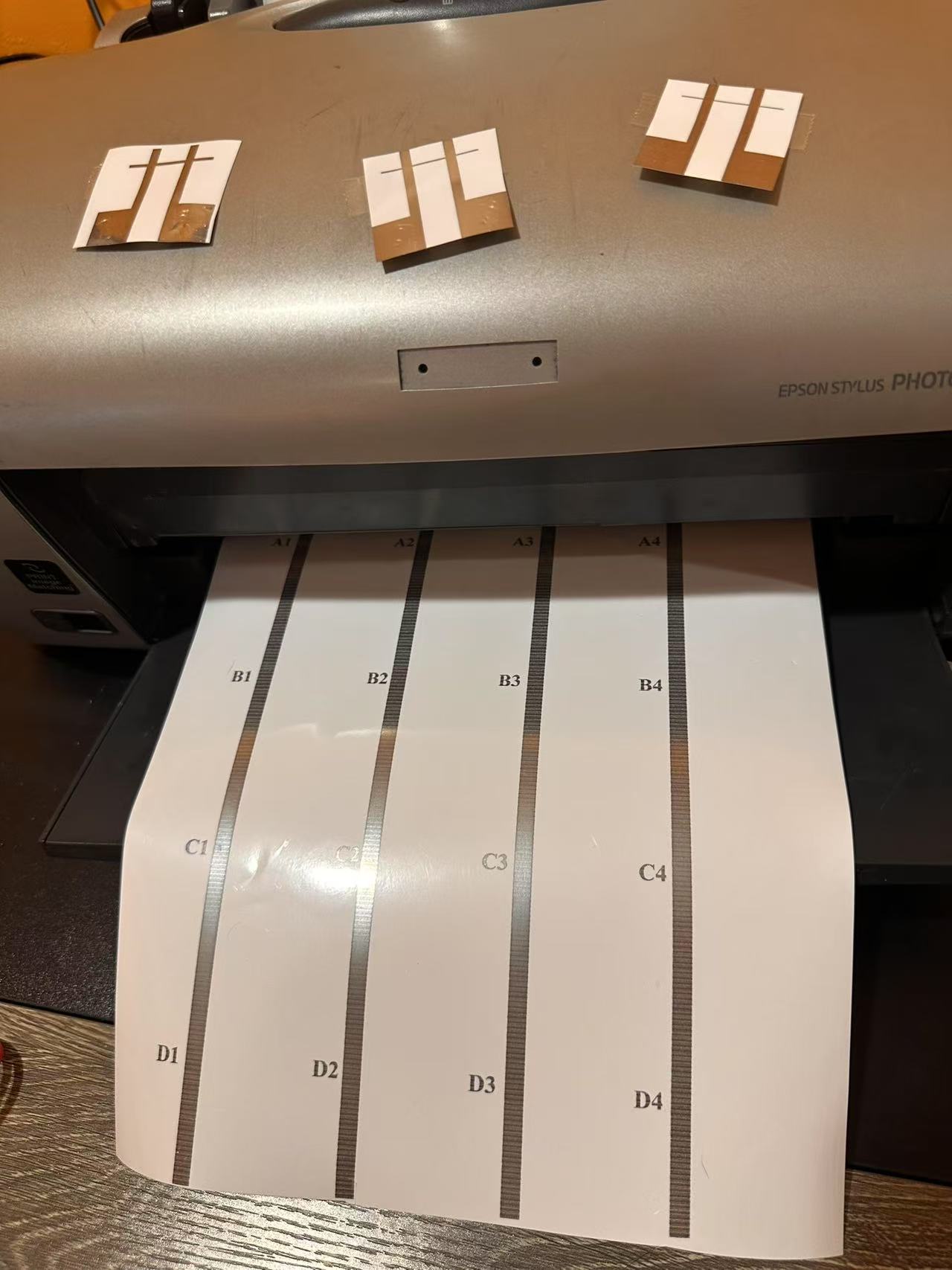
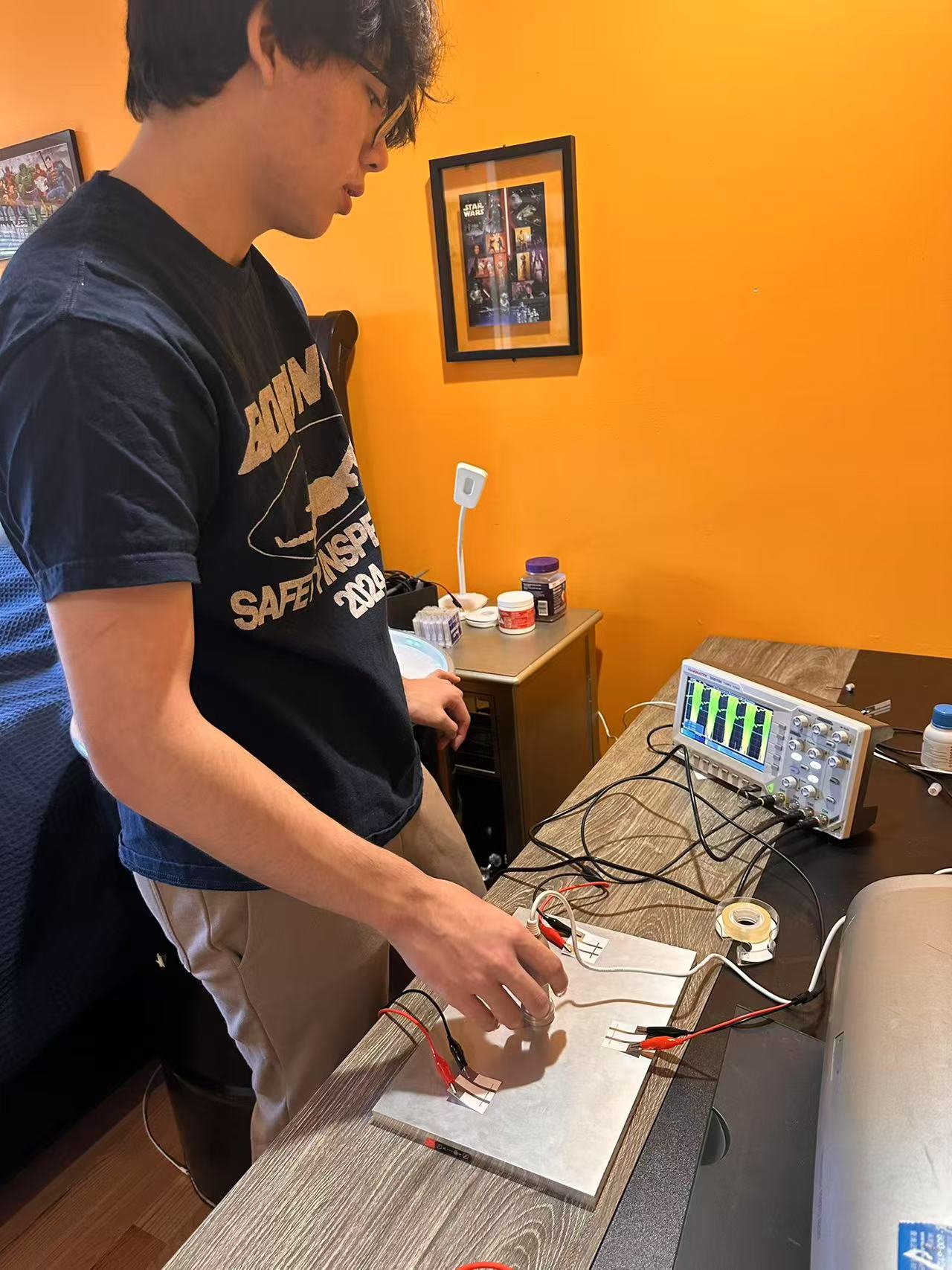
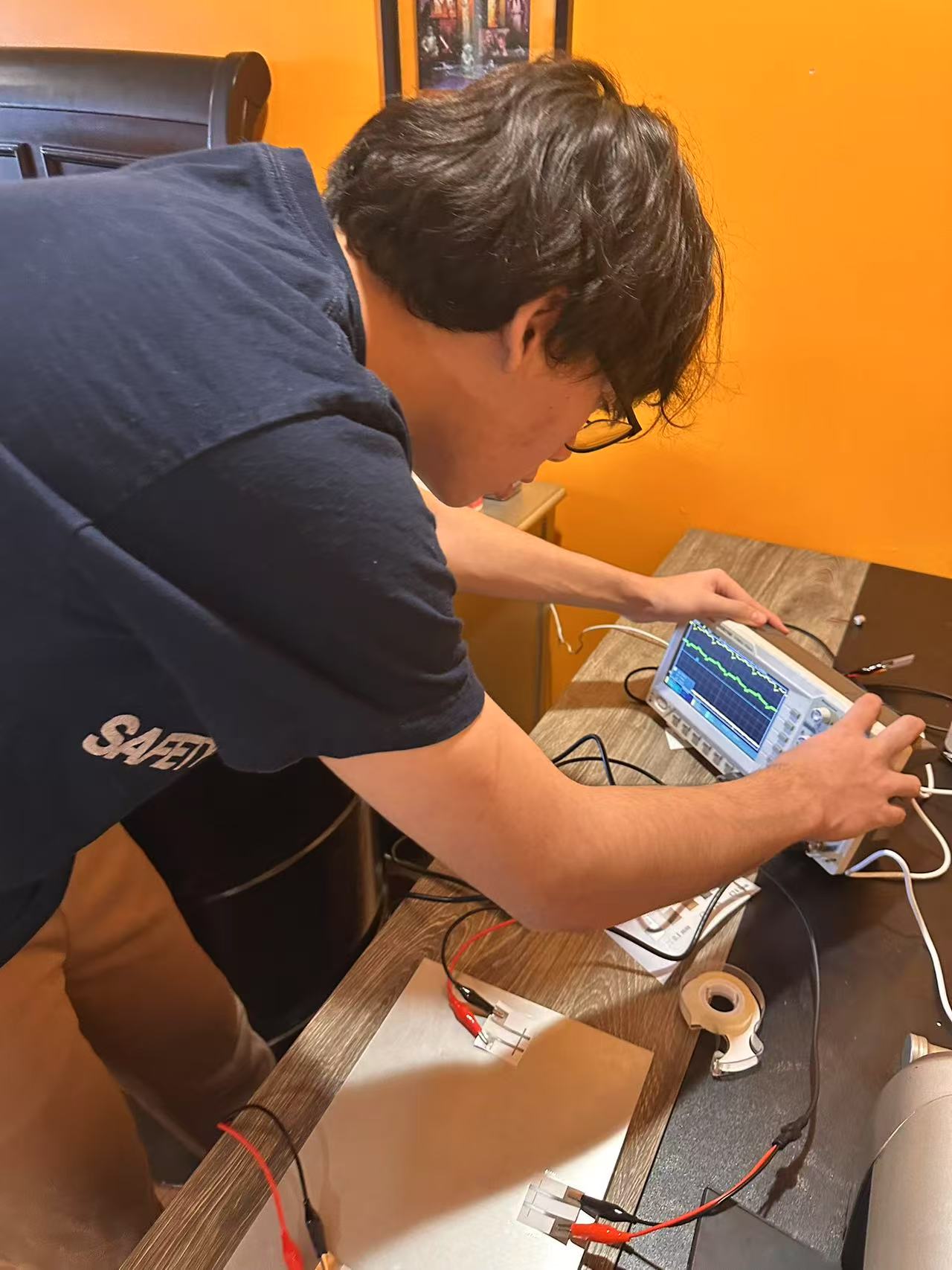
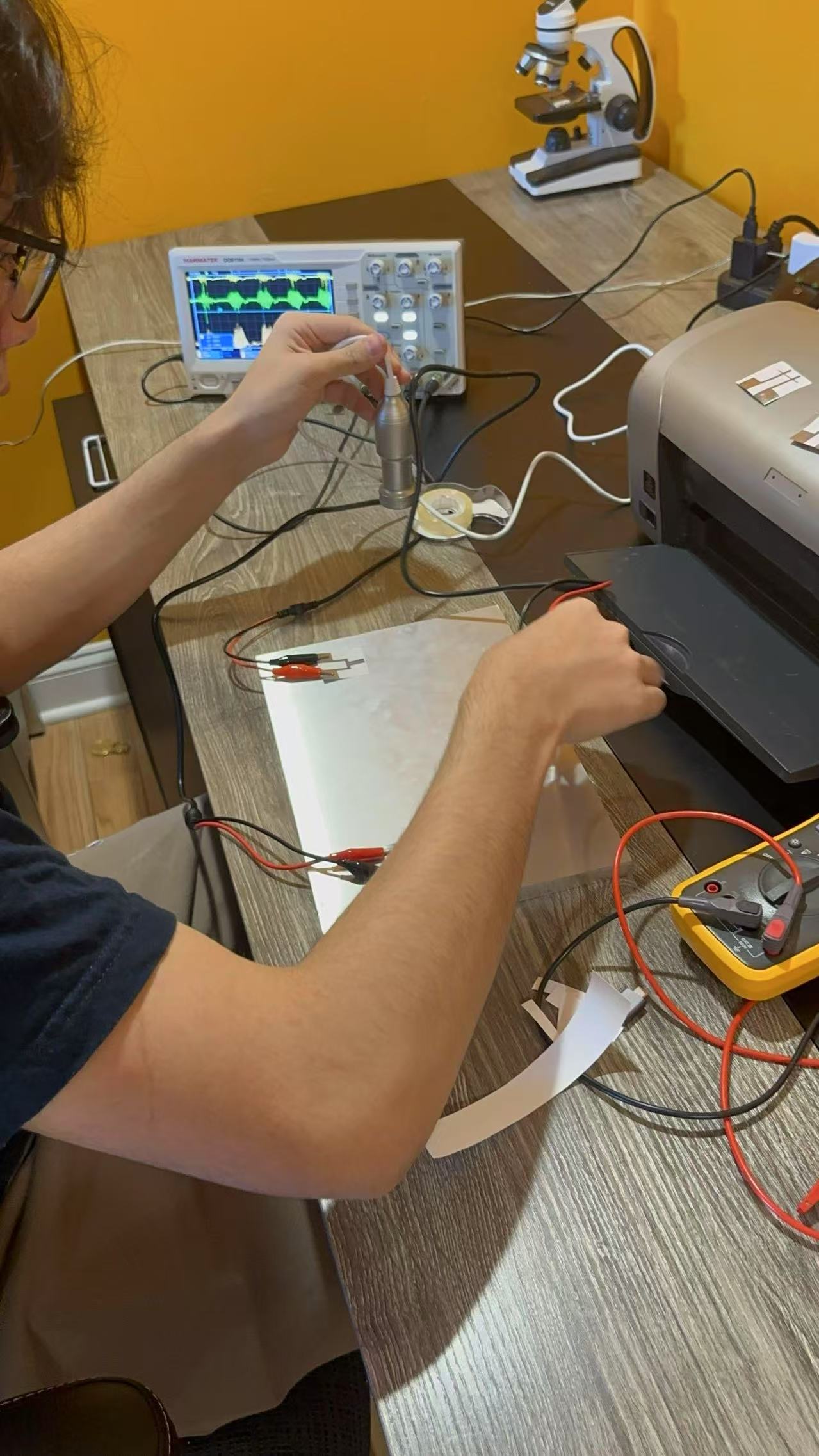
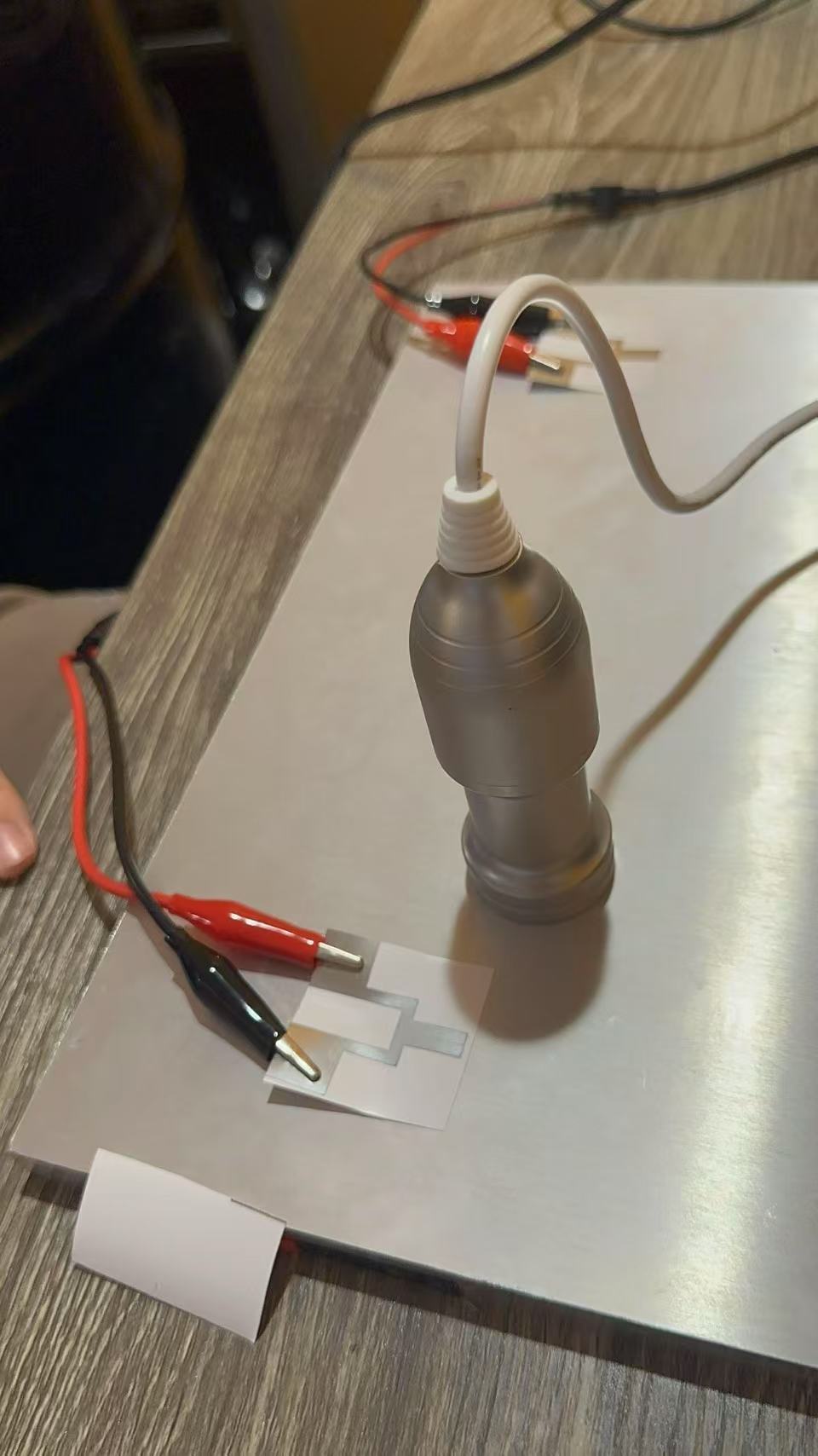
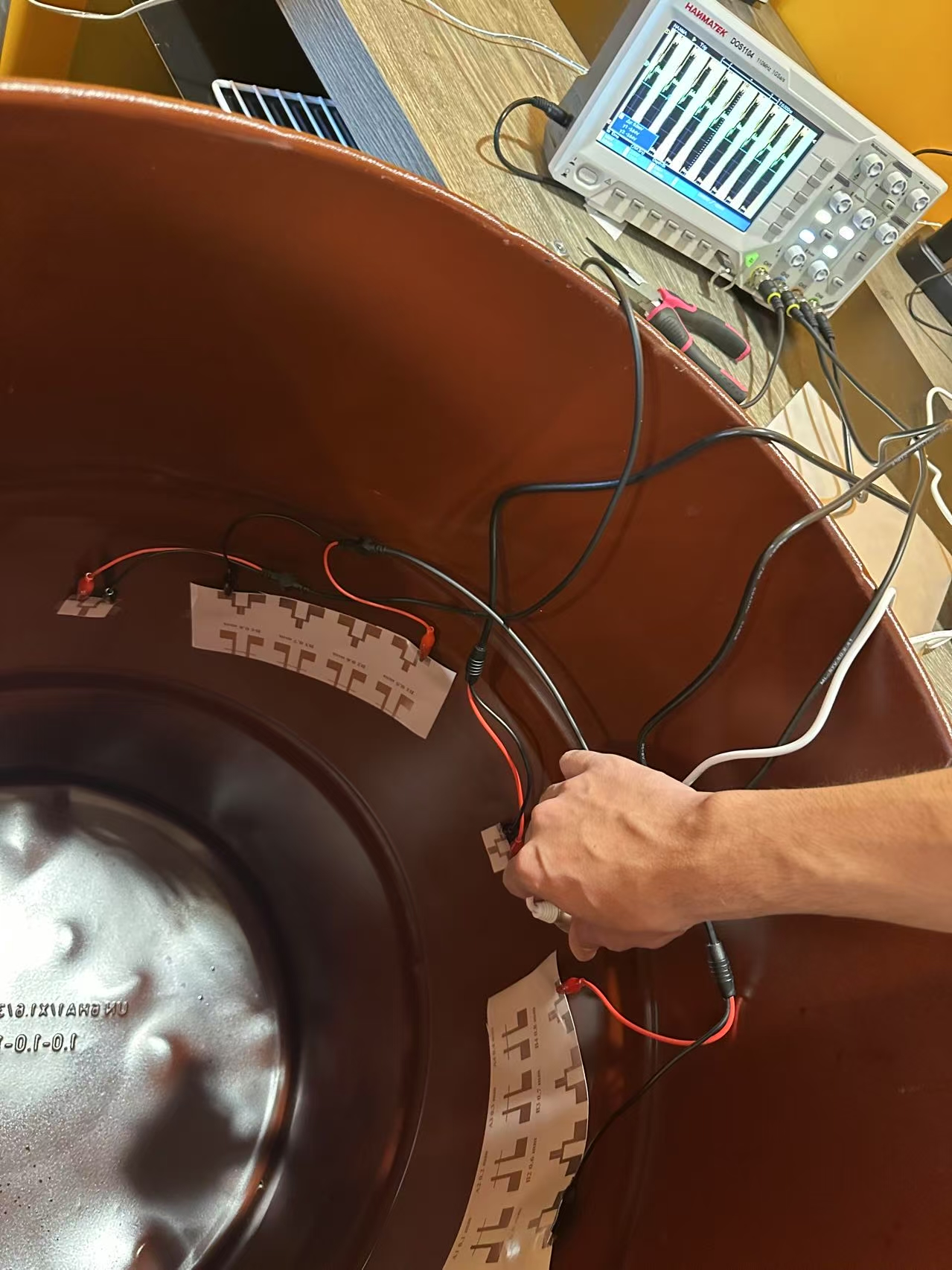
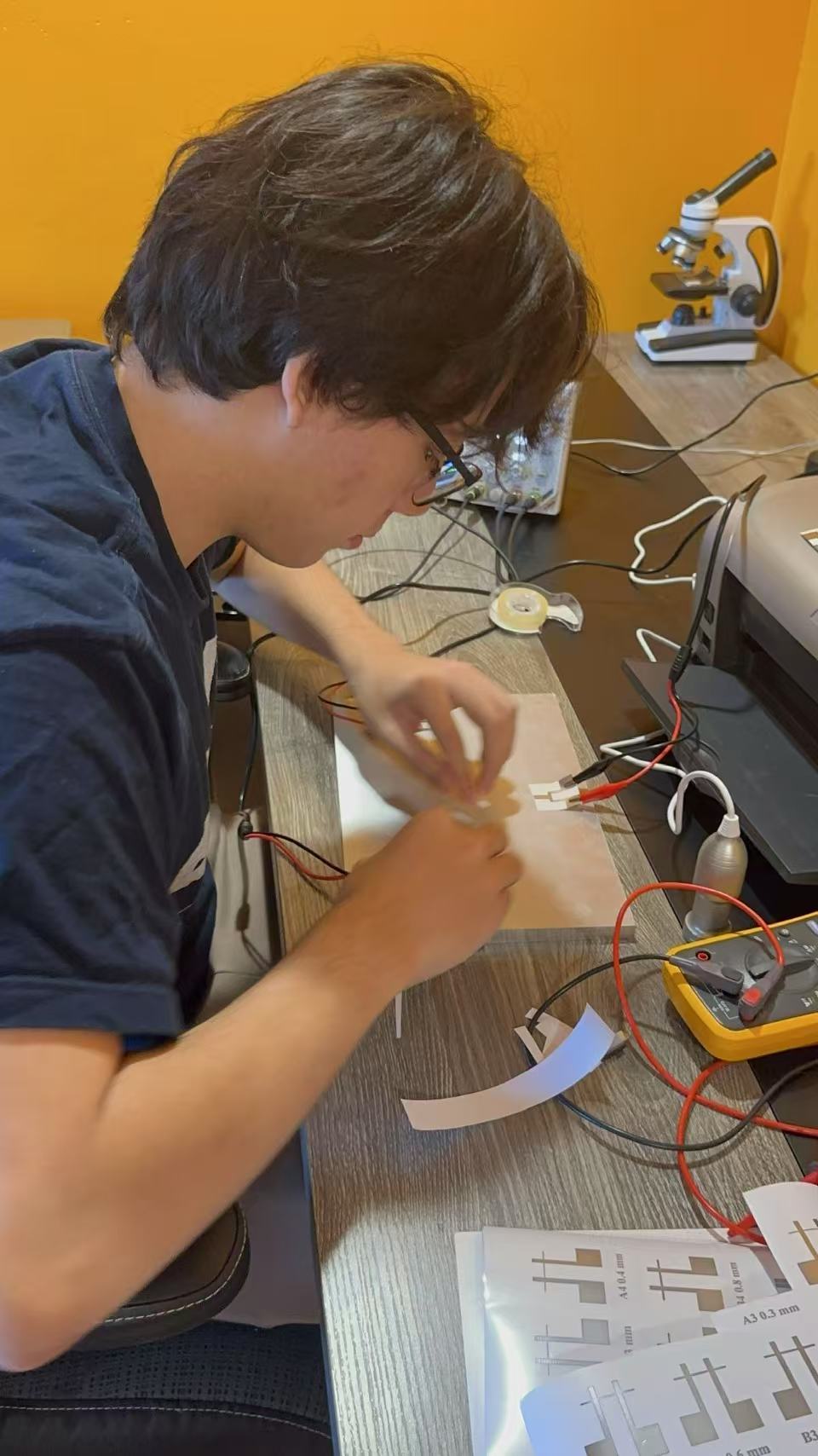
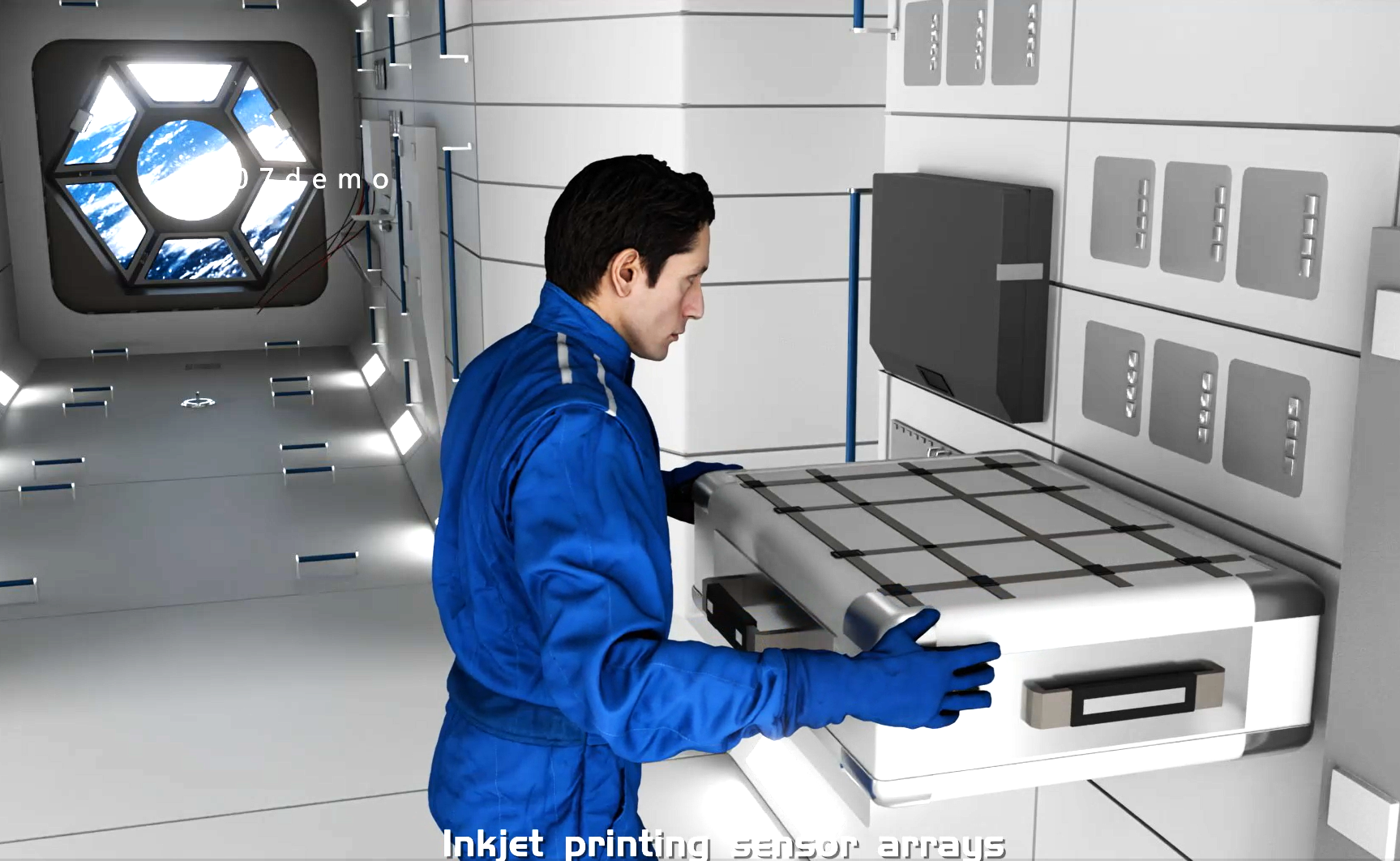
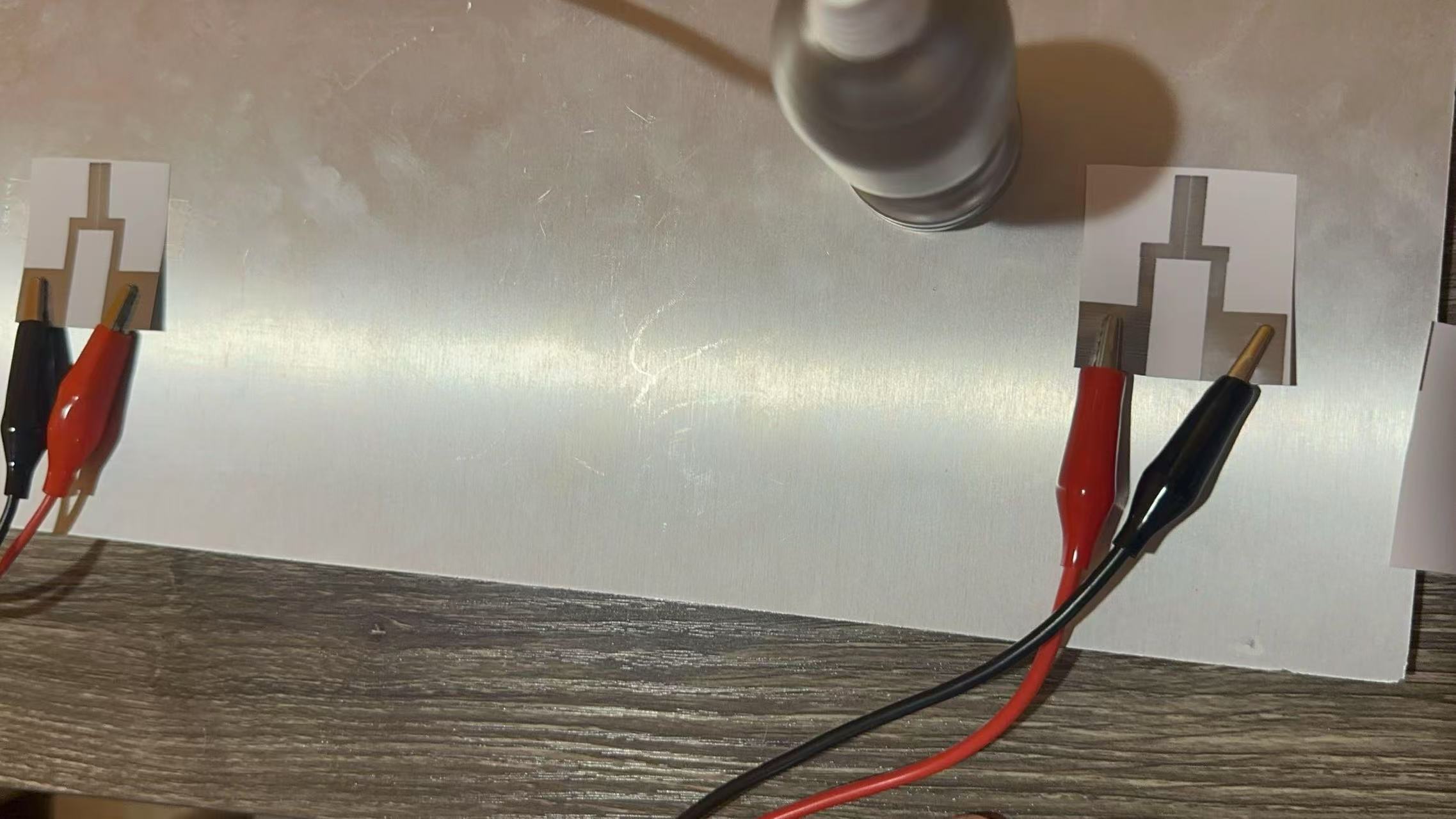
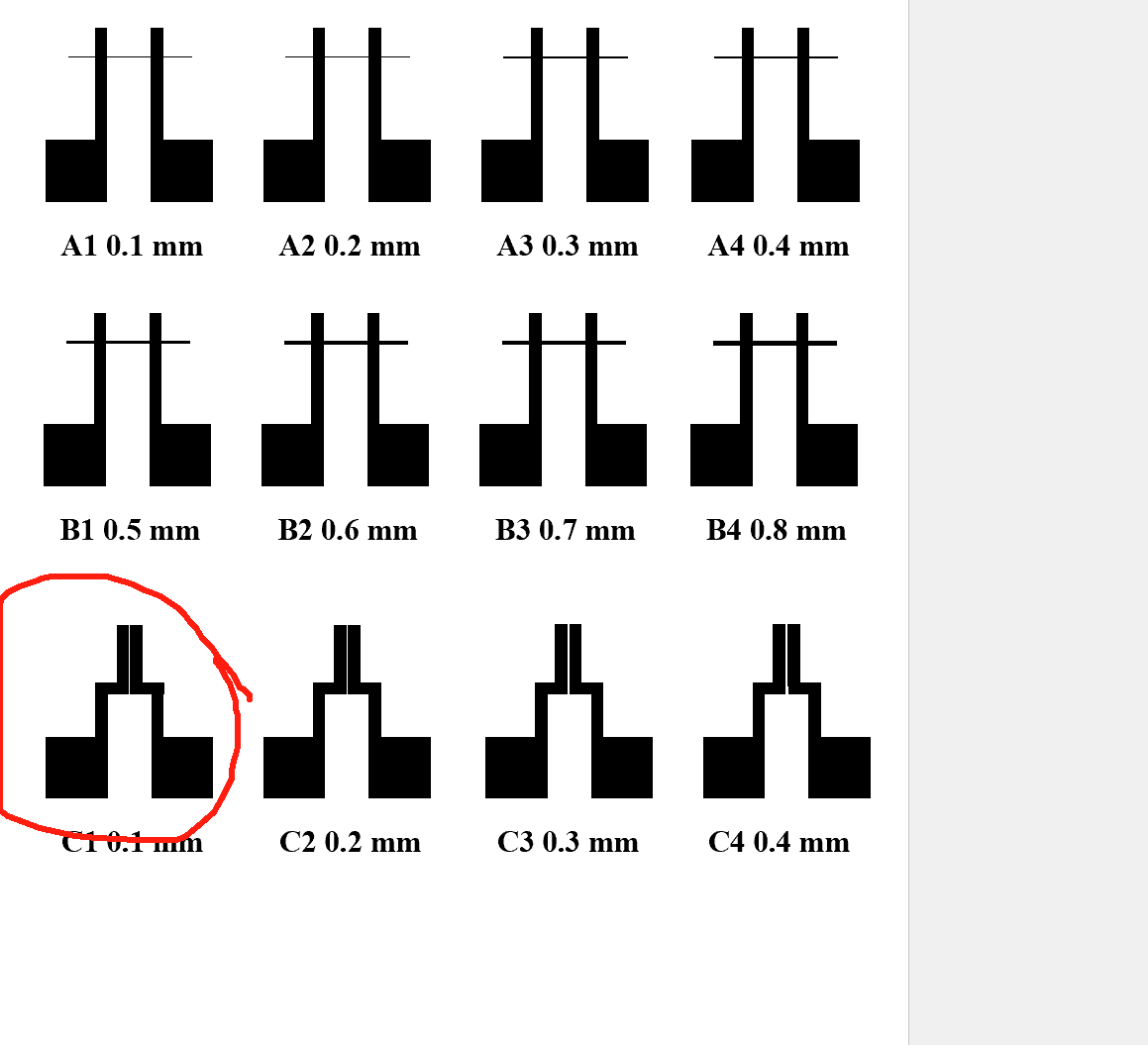
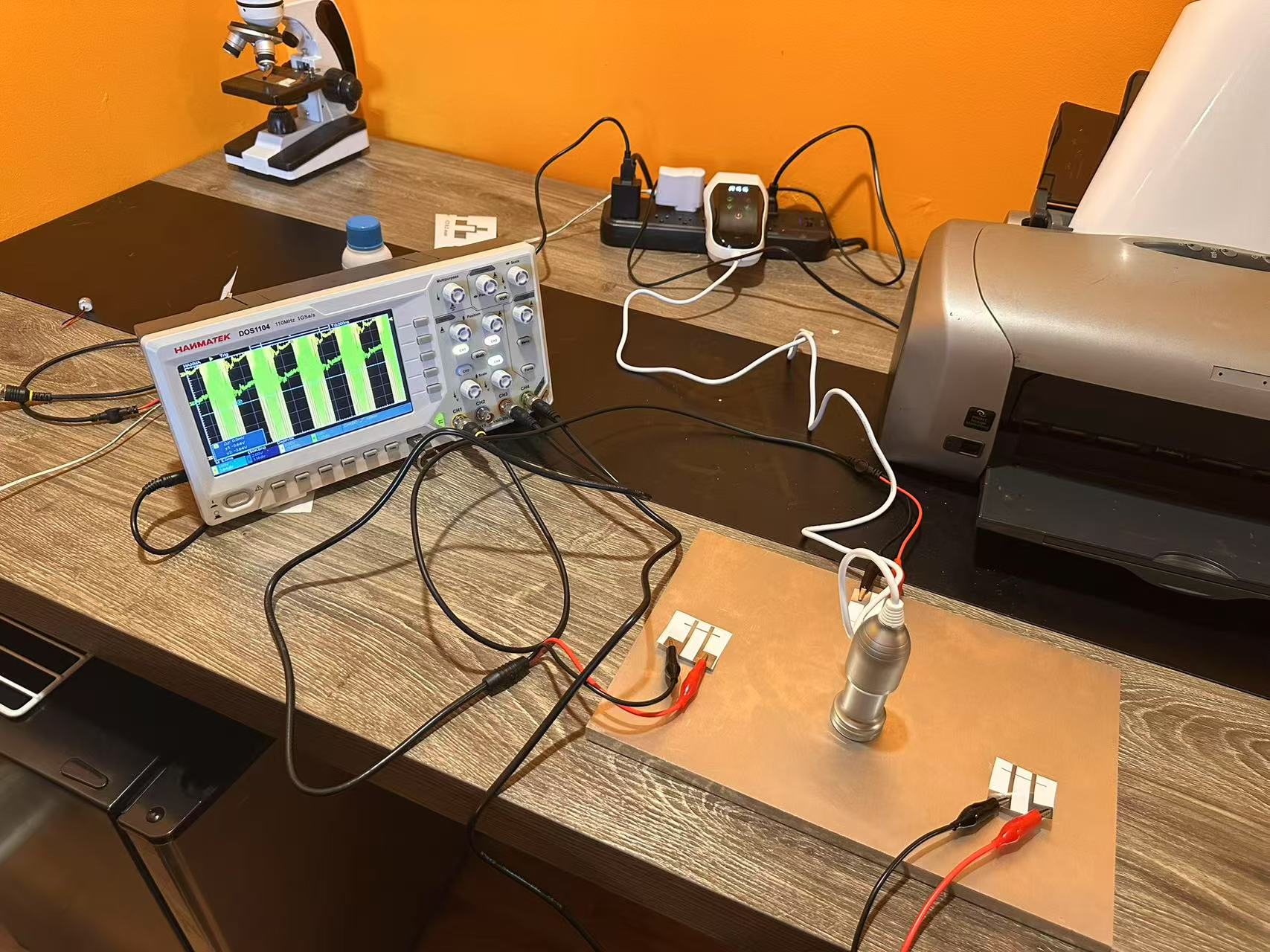
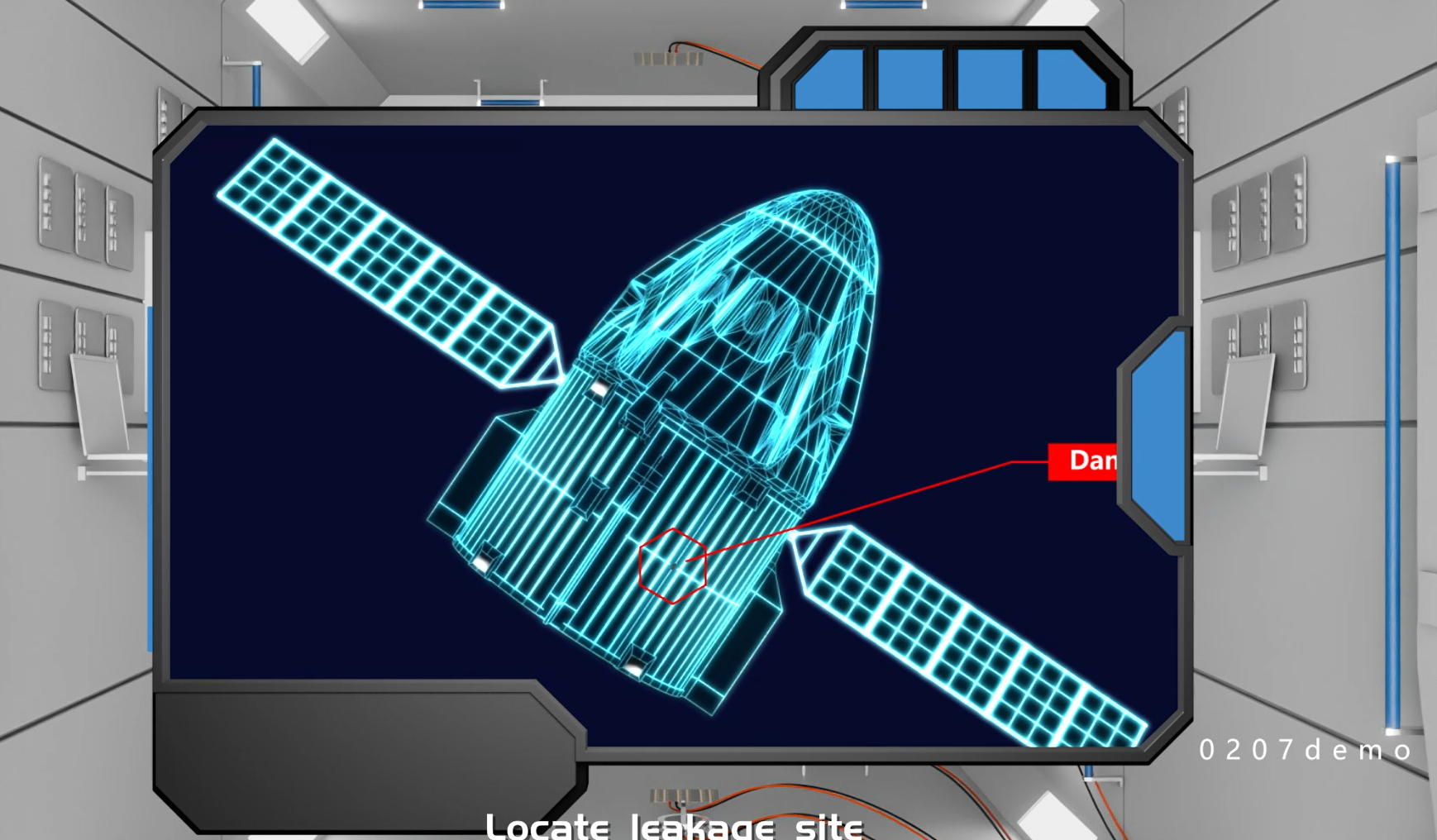
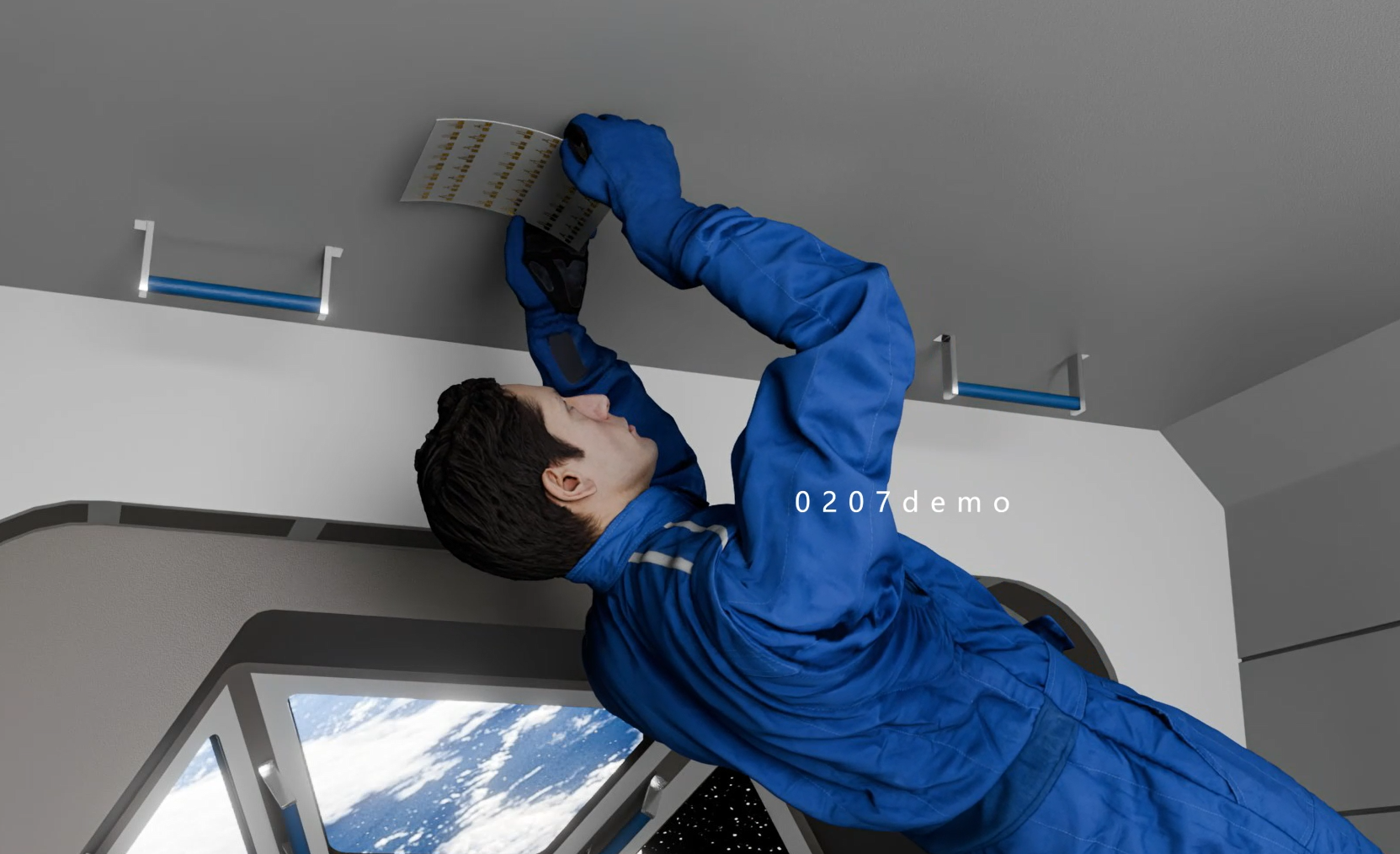
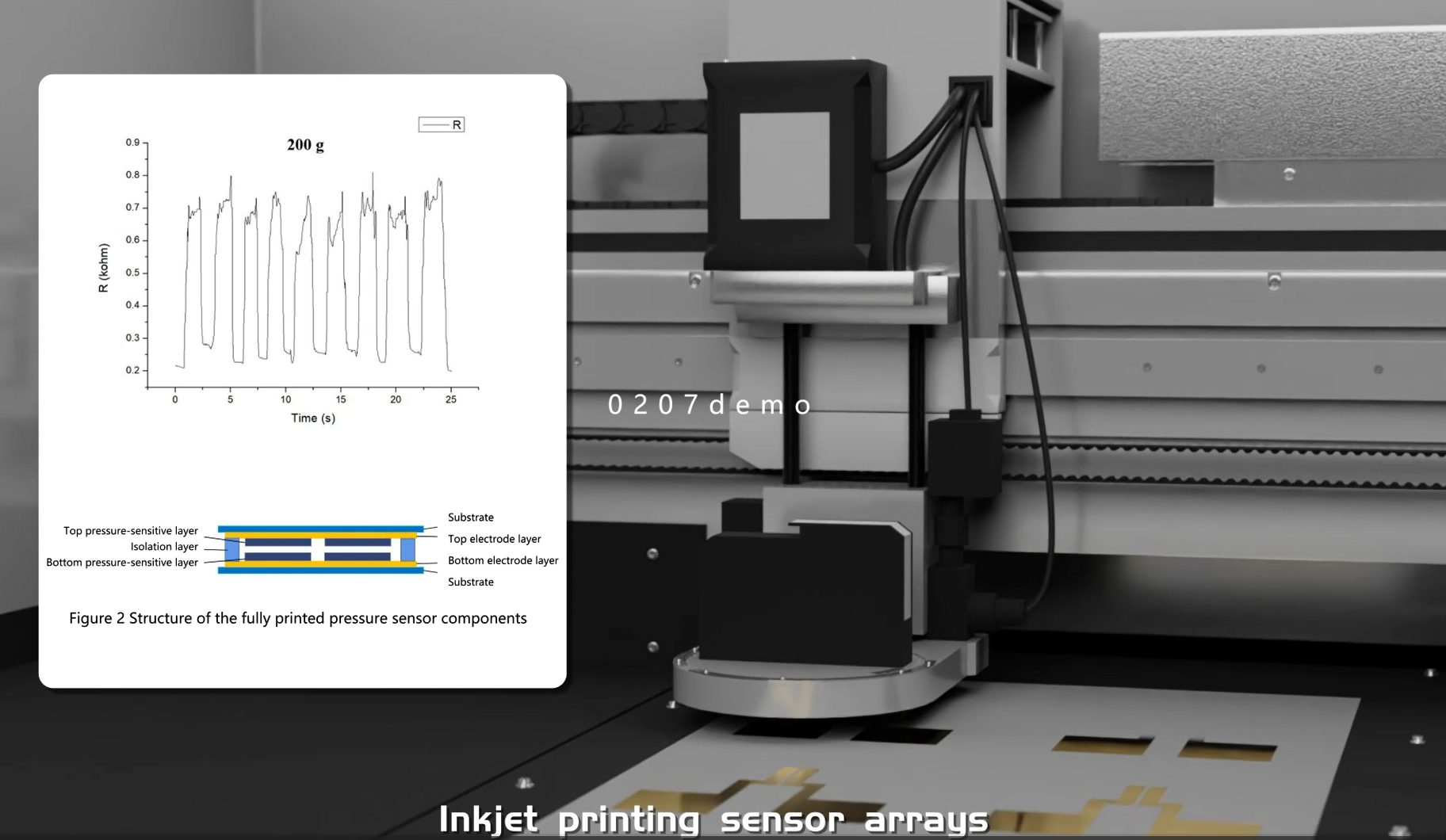
Max began developing a real-time structural health monitoring system for spacecraft using printable nanomaterial sensors. These lightweight, flexible sensors can be applied to the spacecraft exterior to detect micrometeoroid damage, thermal stress, pressure leaks, and early-stage cracks.

Rear Admiral Applauds Max’s Breakthrough in Spacecraft Sensor Innovation

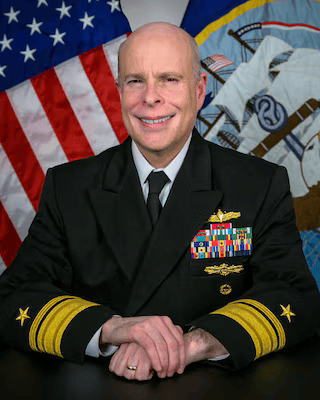
Kurt J. Rothenhaus, Rear Admiral and Chief of Naval Research at the Department of the Navy’s Office of Naval Research, applauded Max’s groundbreaking spacecraft‐sensor design. He highlighted how Max’s inkjet-printed ultrasonic sensors promise to revolutionize real-time structural health monitoring in deep-space missions, calling the work “a testament to the ingenuity and technical rigor we strive for in naval research.” Admiral Rothenhaus encouraged Max to continue refining his interdisciplinary approach—combining nanomaterials, AI, and flexible electronics—and urged him to pursue collaborations that will transition this technology from the lab to orbit, where its impact could safeguard future crewed and uncrewed missions alike.

How It Works

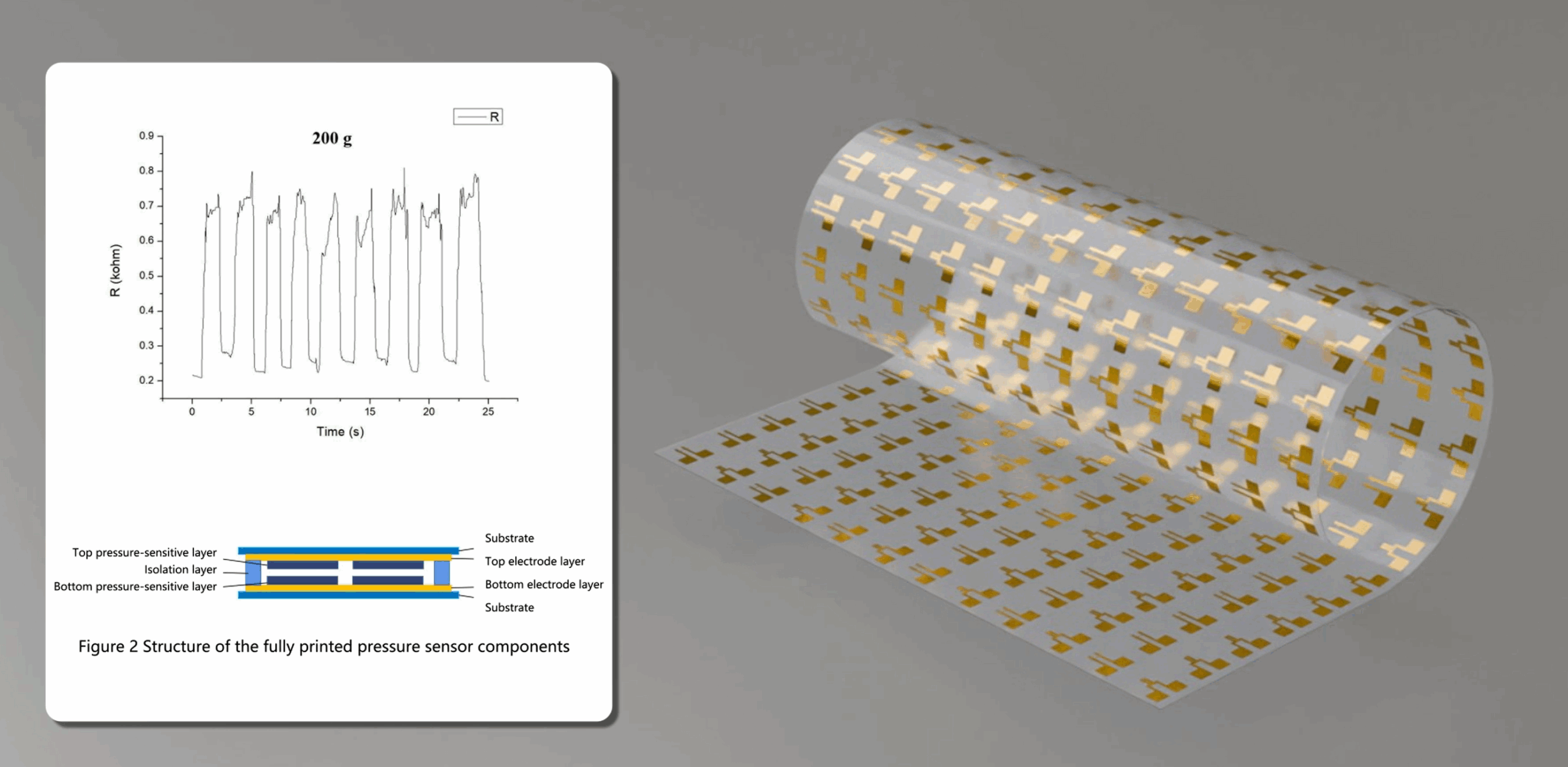
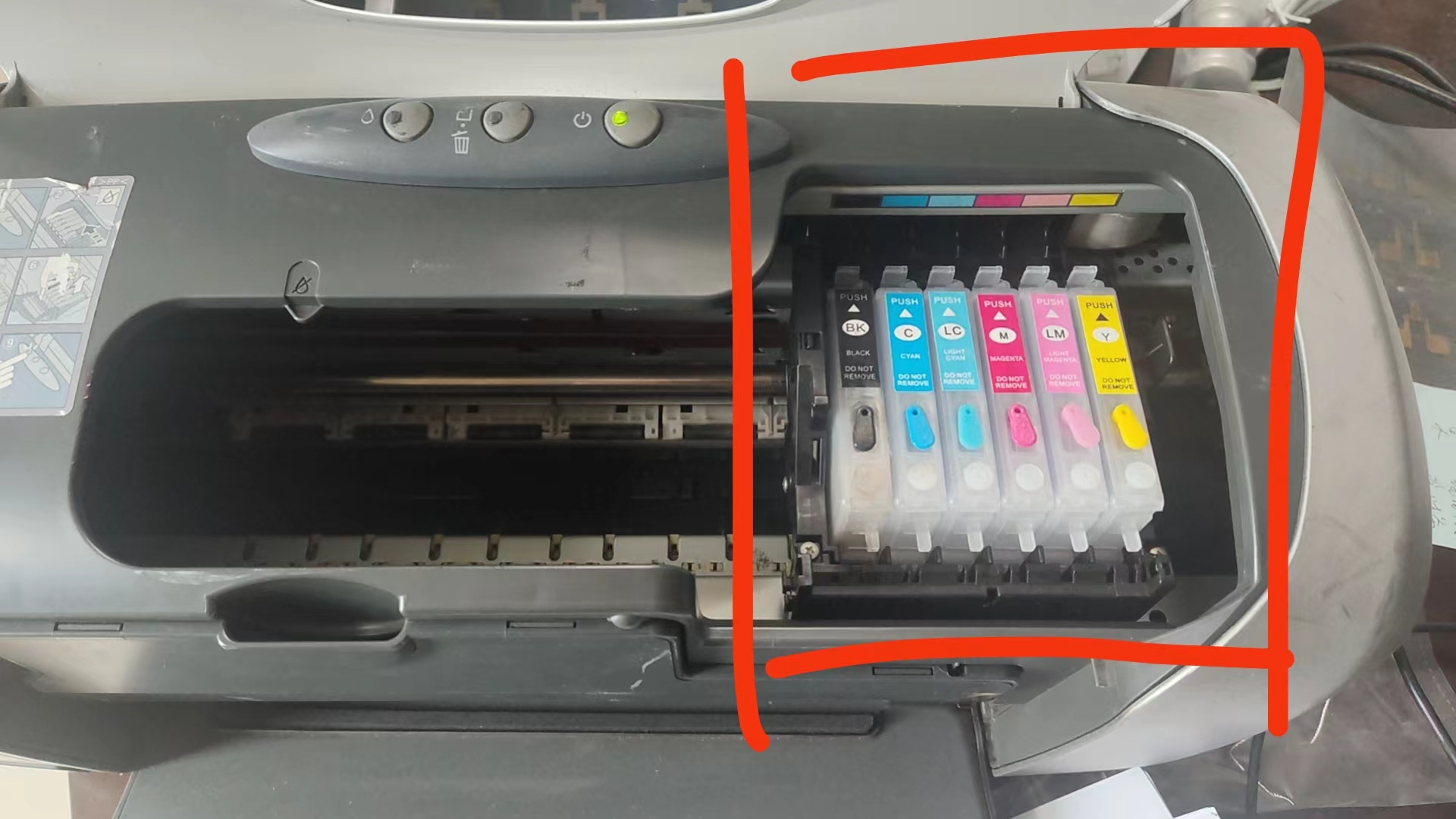
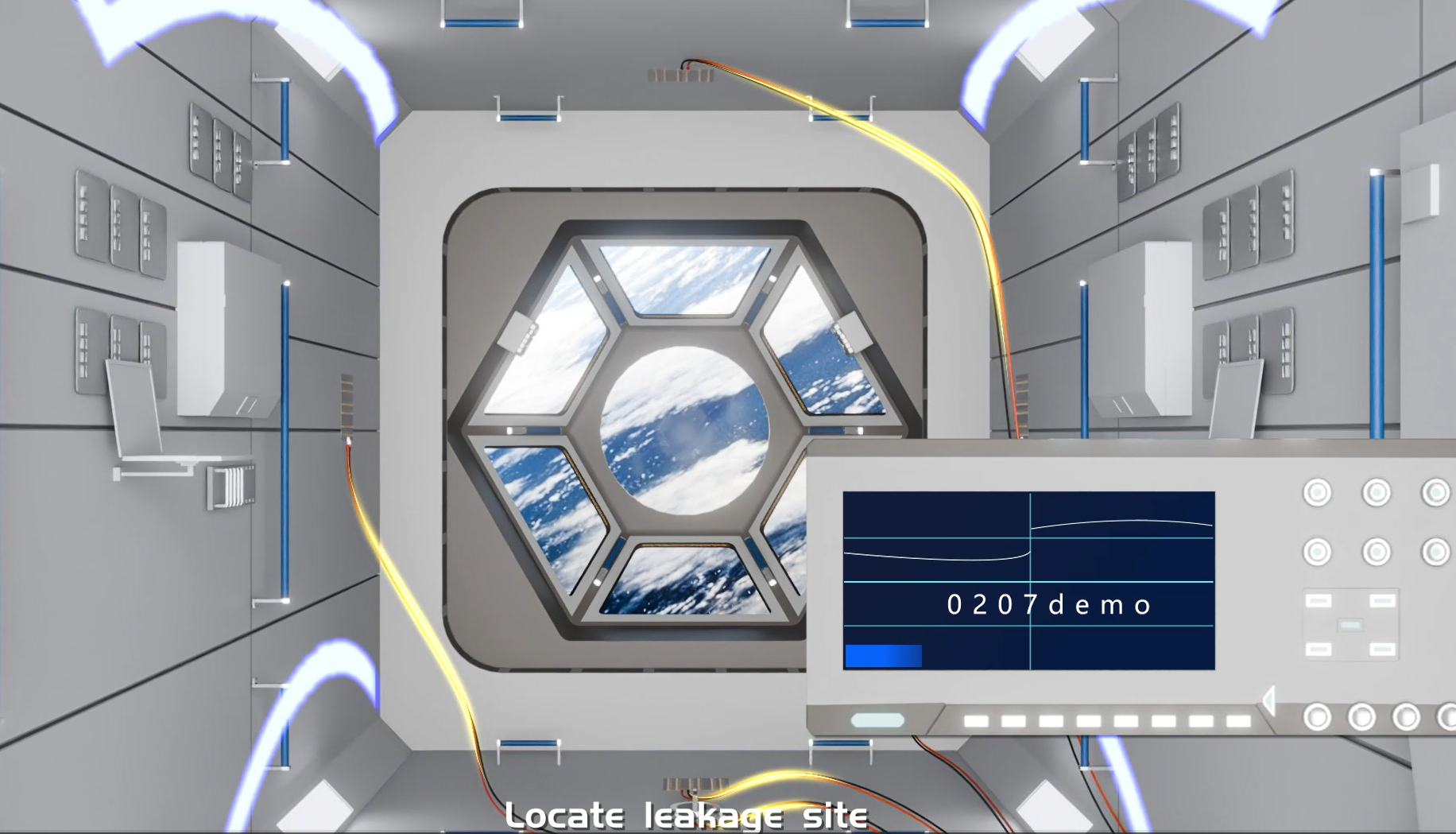
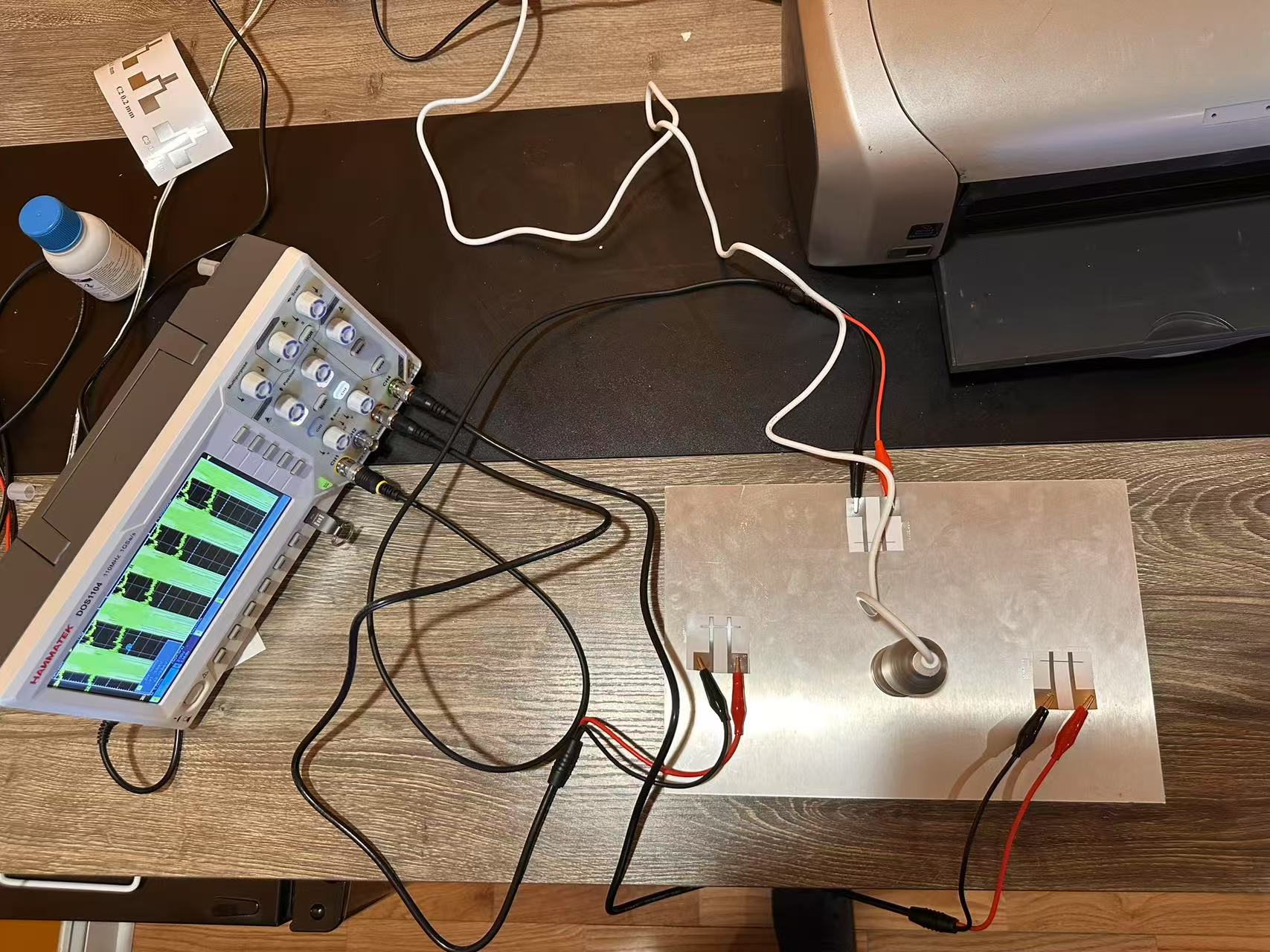
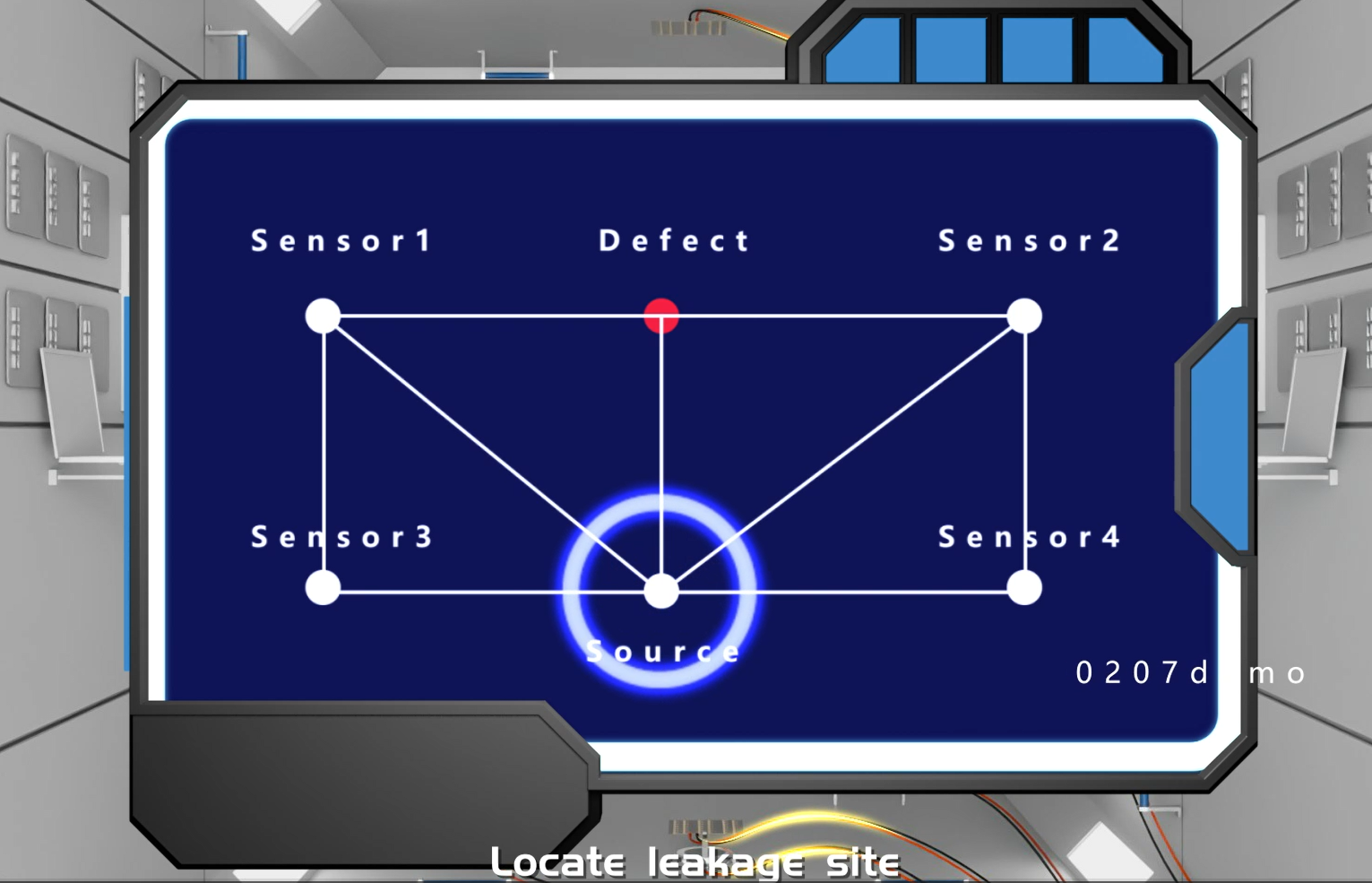
The system uses inkjet-printed layers of conductive nanomaterials that respond to changes in mechanical or environmental stress. Data from the sensors is collected and processed by onboard AI algorithms that flag anomalies before they become dangerous. Astronauts and mission control receive real-time diagnostics, enabling faster responses to emerging threats.

Smart Sensor Technology

Conductive nanomaterials are inkjet-printed in layers to create sensors that detect mechanical and environmental stress.

Intelligent Data Processing

Onboard AI algorithms analyze sensor data in real time to identify potential issues before they escalate.

Real-Time Monitoring

Astronauts and mission control receive instant diagnostics, enabling quick responses to potential threats.

Mission-Critical Safety

Mission-Critical Safety

With upcoming missions to the Moon and Mars, the need for autonomous safety systems is greater than ever. Unlike traditional sensors that rely on weighty hardware or manual inspections, Max’s solution offers a scalable, lightweight, and cost-effective alternative.

Beyond Space

Max envisions future applications of this technology beyond aerospace—such as monitoring structural health in submarines, aircraft, bridges, or even smart buildings. His goal is to create a platform that adapts across industries where structural safety is paramount.

Jessica Neidigh

STEM Program Manager, Educational Outreach Office

Wright-Patterson Air Force Base (WPAFB), United States Air Force

“Max’s project left an incredible impression on the U.S. Air Force. His dedication to solving real-world challenges—particularly those related to deep-space missions—demonstrates a level of ingenuity and forward-thinking that is truly exceptional. We were honored to present him with the Special Award in recognition of his innovative work. Max’s approach has the potential to significantly advance astronaut safety and mission success, and we are excited to see how he continues to develop this important work.”
NASA Recognizes Max Kopp's Aerospace Research
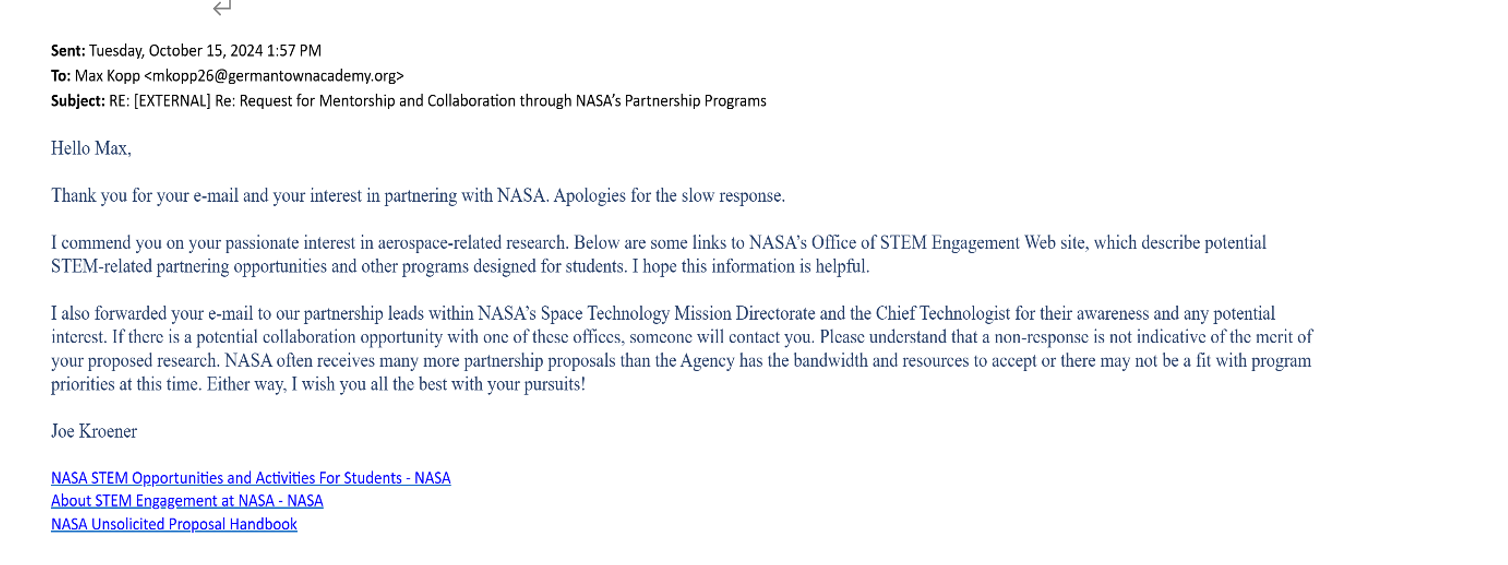
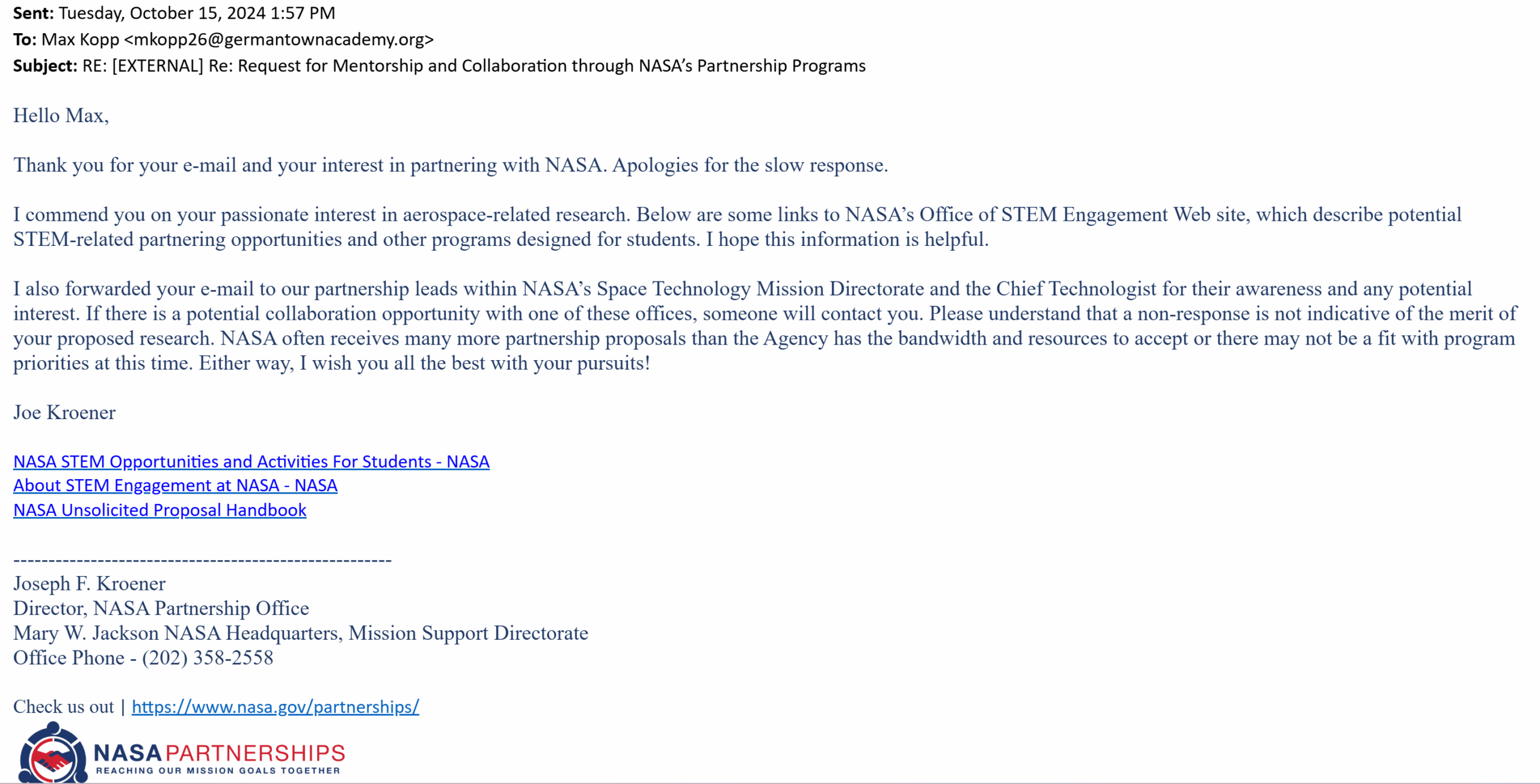
NASA’s Partnership Office, led by Director Joseph F. Kroener, commends and supports Max Kopp’s innovative aerospace research. Max’s proposal has been forwarded to NASA’s Space Technology Mission Directorate and Chief Technologist, highlighting the project’s alignment with NASA’s aerospace and STEM priorities.

Exploring Aerospace Research

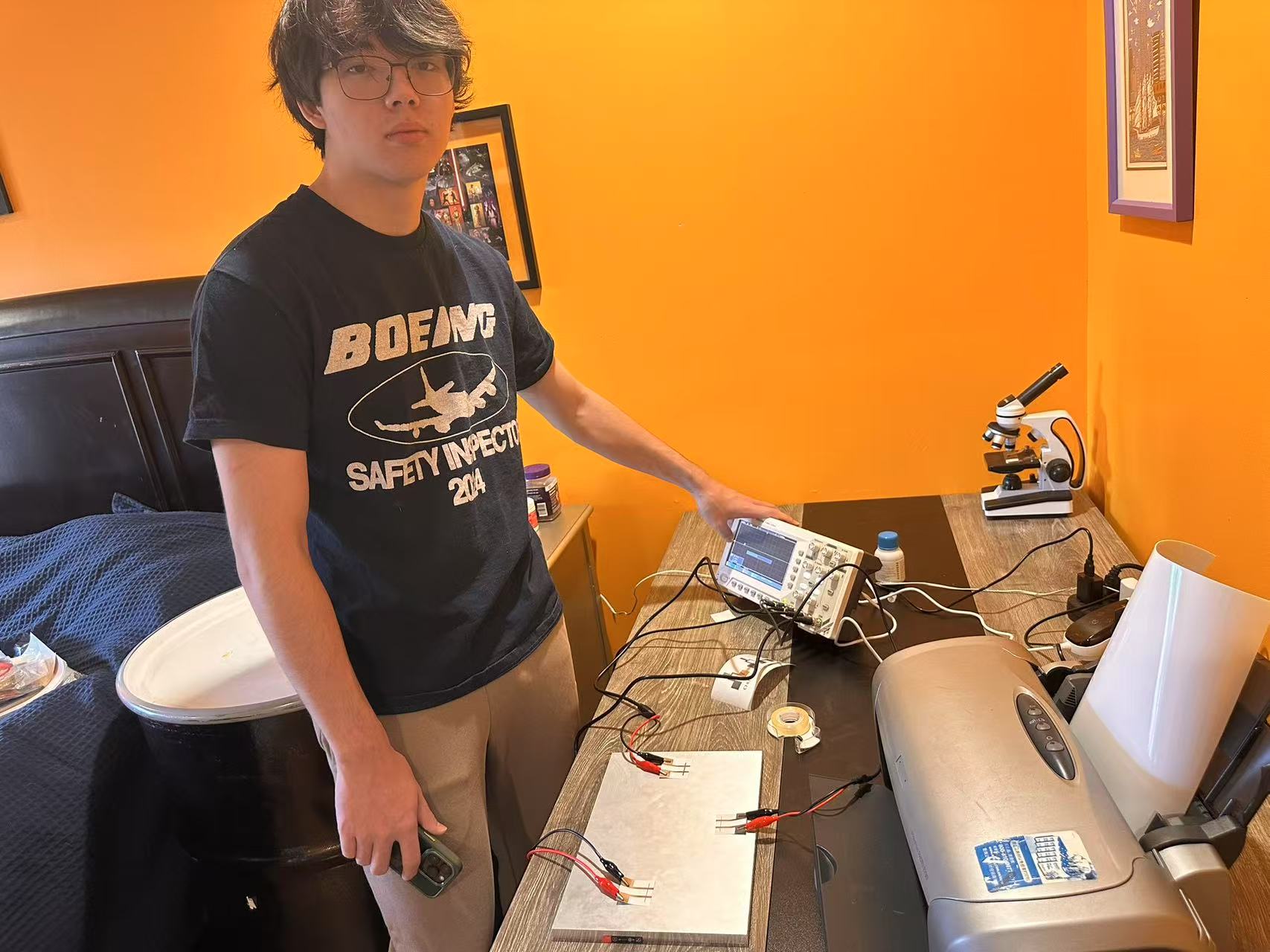
He is currently exploring research opportunities and mentorship with leading aerospace institutions, including NASA and university labs, to further develop and validate the system.
Scroll to Top